
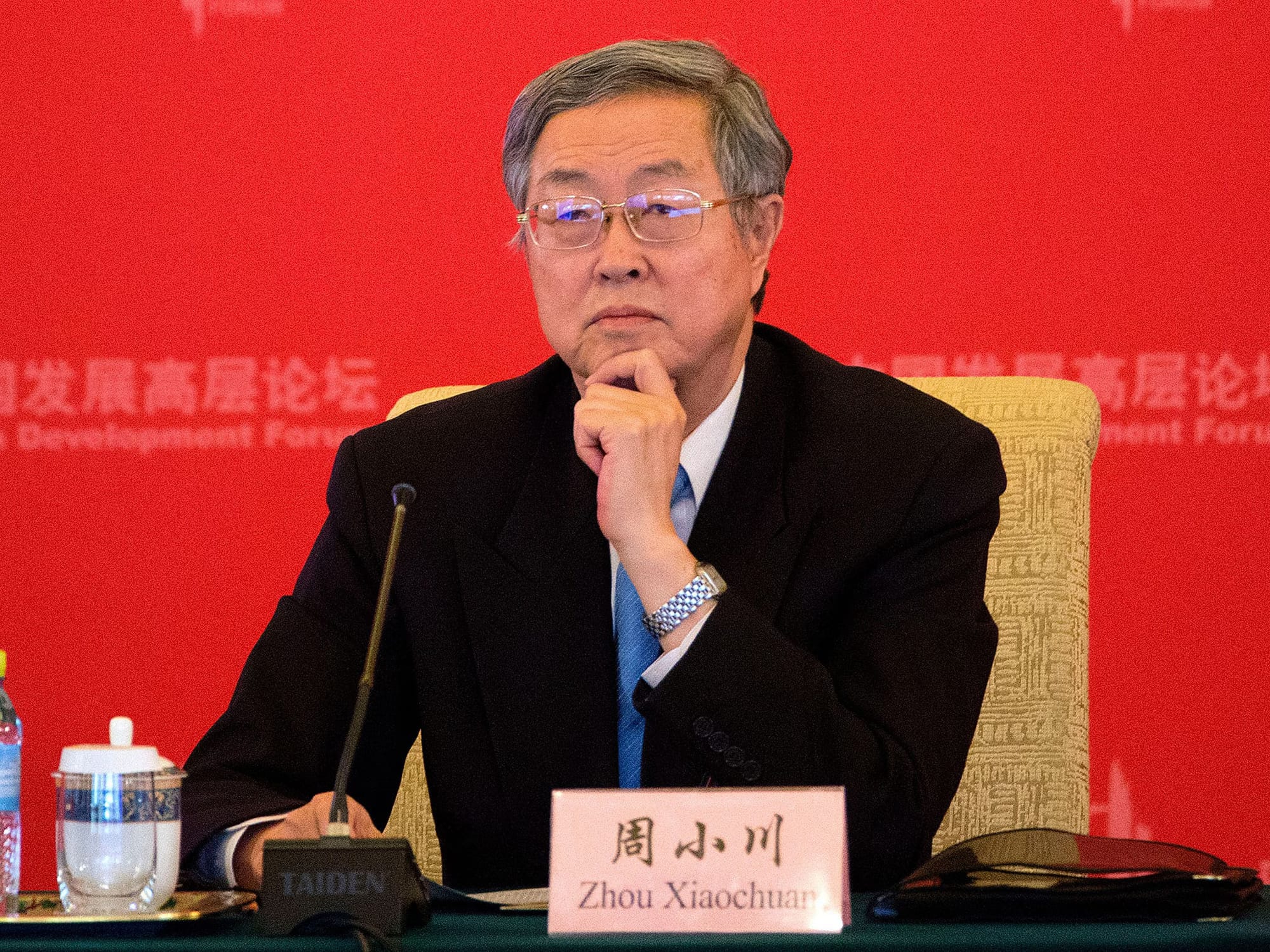
China’s former central bank governor Zhou Xiaochuan has urged caution over the rapid adoption of stablecoins, warning that the digital assets could pose challenges to financial stability. His remarks, first shared during a private July meeting and later published by the Beijing-based think tank CF40, come as debates intensify in China over whether to develop a yuan-backed stablecoin.
Zhou, who headed the People’s Bank of China (PBOC) from 2002 to 2018, questioned the necessity of stablecoins within China’s highly advanced payments landscape. He argued that while some regulators in the United States are pushing for dollar-based stablecoins to bolster global dollar dominance, the benefits for China remain unclear.
“The retail payment system we have today is already efficient and low-cost,” Zhou noted, suggesting that claims of high transaction costs in cross-border payments may be overstated. He emphasized that existing tools—including the digital yuan, mobile wallets, and third-party payment apps—already provide seamless services without needing additional layers of tokenization or decentralization.
Zhou also raised concerns about potential risks tied to stablecoins, from price manipulation and speculative trading to gaps in regulatory oversight. He stressed that even jurisdictions such as the U.S., Hong Kong, and Singapore have yet to fully resolve security and transparency issues in the sector.
China’s regulators have consistently taken a cautious stance on cryptocurrencies, citing risks to financial stability and capital controls. In recent months, authorities have tightened oversight, instructing financial institutions not to promote or distribute research related to stablecoins.



