
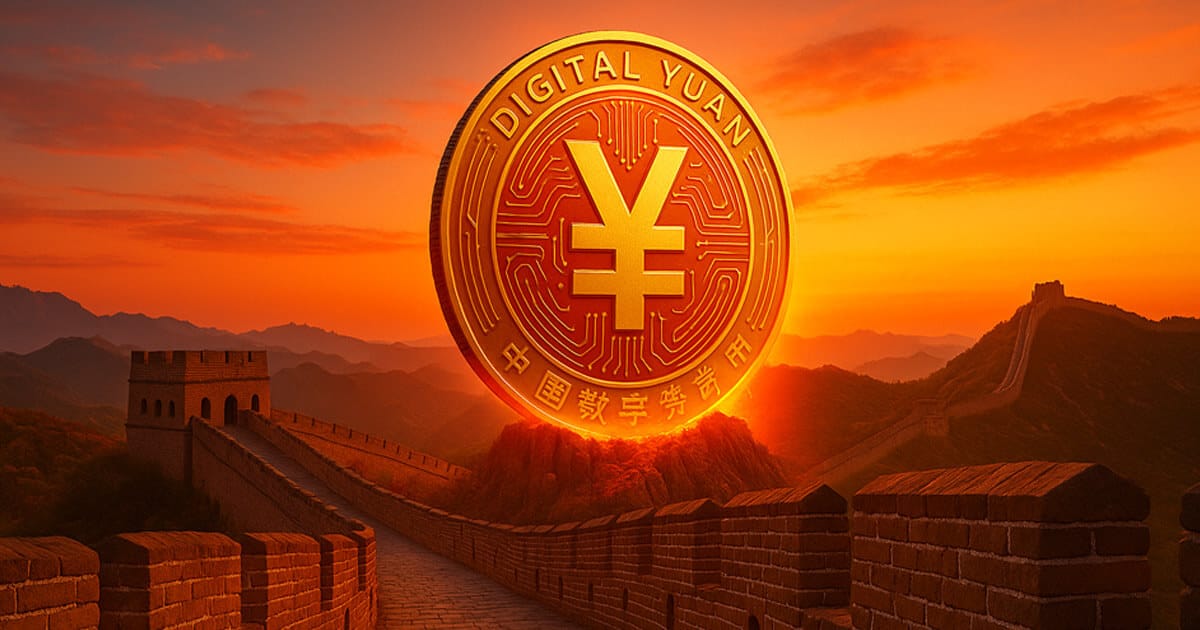
A senior executive at Coinbase has warned that U.S. lawmakers could unintentionally hand a strategic edge to global competitors if they restrict interest or rewards on U.S.-issued stablecoins, just as China moves to make its own digital currency more attractive.
The comments come amid renewed debate in Washington over how strictly to apply provisions of the GENIUS Act, a law passed in July that bars U.S. dollar payment stablecoins from paying interest directly to holders. At the same time, China’s central bank has announced a major change to its digital yuan strategy, allowing banks to pay interest on holdings of the e-CNY starting in 2026.
Coinbase warns of competitive risks
In a post on X this week, Faryar Shirzad, Coinbase’s chief policy officer, said China’s decision highlights how quickly the global landscape for digital money is changing. He argued that limiting incentives on U.S. stablecoins could weaken their appeal compared with foreign alternatives, including central bank digital currencies.
For those who misunderstand what’s at stake in the debate on offering rewards on US-issued stablecoins under the GENIUS Act, a sobering and timely announcement from the People’s Bank of China that they plan to pay interest on the Digital Yuan. 🇨🇳🇨🇳
— Faryar Shirzad 🛡️ (@faryarshirzad) December 30, 2025
Tokenization is the future and… pic.twitter.com/stg8ffKzT7
Shirzad described tokenization as “the future” of finance and said the GENIUS Act was designed to ensure U.S. dollar stablecoins remain a core settlement tool under American rules. However, he cautioned that if lawmakers mishandle the issue of stablecoin rewards during ongoing Senate negotiations on market structure, it could give non-U.S. stablecoins and CBDCs a meaningful advantage.
He also suggested that resistance to change often comes from established interests, urging policymakers to focus on protecting the long-term strength of the U.S. dollar and financial system rather than preserving the status quo.
China adjusts its CBDC approach
China’s move is part of a broader effort to boost adoption of the digital yuan, which has seen limited consumer uptake despite years of pilot programs. Earlier this week, the People’s Bank of China said commercial banks will be allowed to pay interest on digital yuan balances under a new framework set to take effect on Jan. 1, 2026.
According to PBOC Deputy Governor Lu Lei, the change will shift the e-CNY from functioning as digital cash to operating more like a “digital deposit currency.” Supporters of the move see interest payments as a way to make the digital yuan more appealing for everyday use and savings.
A divided debate in the U.S.
In the United States, the GENIUS Act aims to keep stablecoins focused on payments by prohibiting issuers from offering yield. The current dispute centers on whether that ban should be interpreted narrowly or broadly.
Crypto companies and industry groups argue that overly strict limits could undermine the global competitiveness of U.S. stablecoins. In a Dec. 18 letter to Congress, the Blockchain Association and more than 125 industry participants urged lawmakers to resist expanding the prohibition. The group said claims that stablecoin rewards threaten community banks are not backed by evidence.
 Taryn Wolf
Banking organizations take a different view. The American Bankers Association, in a separate letter released the same day, called for strict enforcement of the GENIUS Act’s ban. It warned that some crypto platforms may be using reward-like incentives that resemble interest payments, potentially drawing activity away from traditional banks.
Looking ahead
As digital currencies continue to evolve, decisions made now could shape the balance of financial influence for years to come. With China pushing to make its digital yuan more competitive and the U.S. weighing how tightly to regulate stablecoins, policymakers face a delicate task: encouraging innovation while safeguarding financial stability. How they strike that balance will help determine the future role of the dollar in an increasingly digital global economy.



