
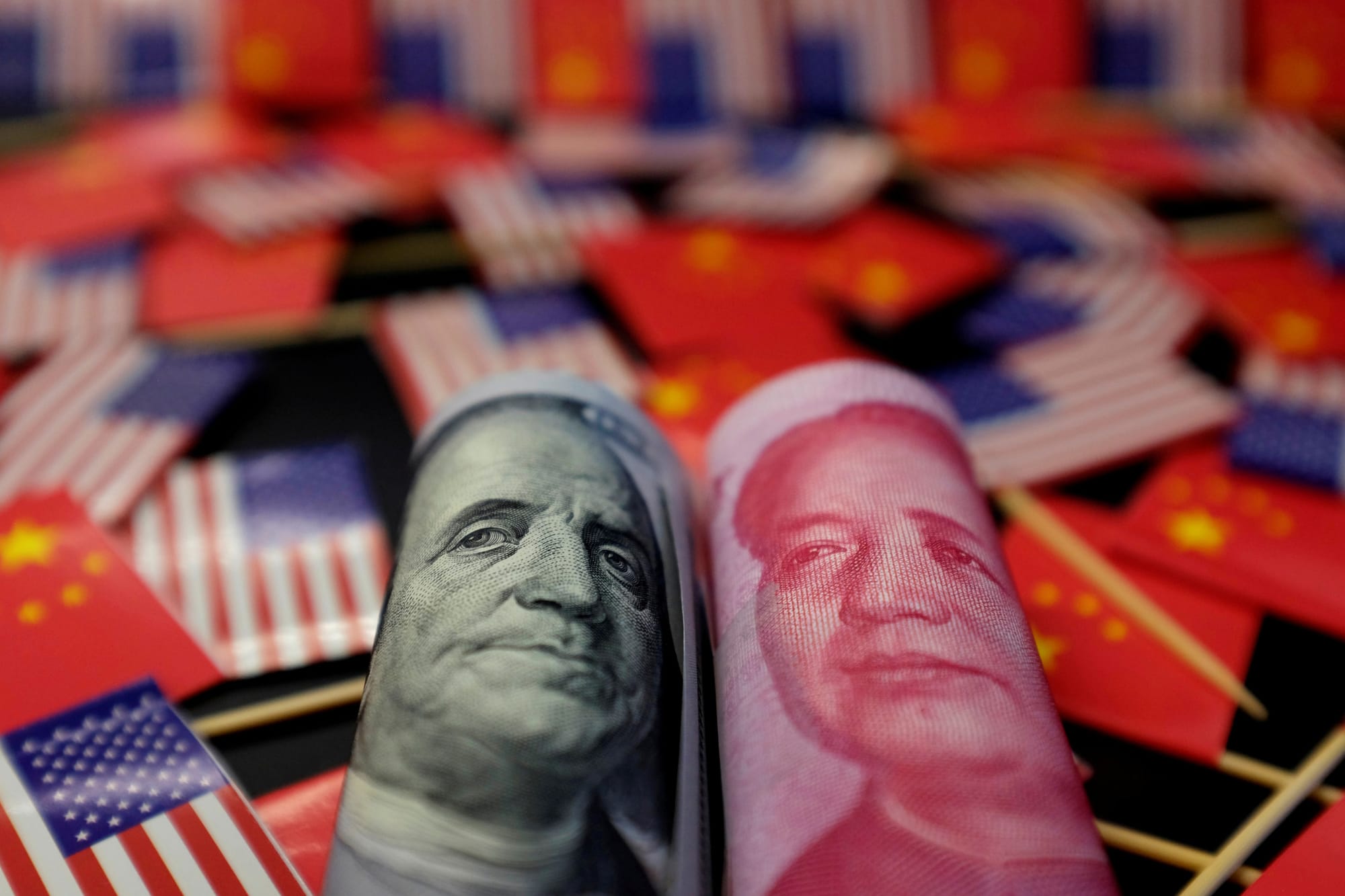
China has urged the Trump administration to ease national security restrictions on Chinese investments in the United States, signaling a willingness to commit a significant investment package in return. The proposal marks a notable shift in Beijing’s approach to Washington, as both nations attempt to recalibrate their economic relationship after years of friction.
During high-level discussions in Madrid, Chinese negotiators reportedly suggested reducing barriers for Chinese companies seeking to invest in U.S. industries and lowering tariffs on inputs used by Chinese-owned factories operating on American soil. While the full scale of the offer remains unclear, earlier proposals from Beijing hinted at potential investments reaching up to $1 trillion.
Talks also included discussions on TikTok’s operations in the U.S., with negotiators exploring a structure that would allow American oversight while keeping the platform active in the market. Both sides described the talks as constructive, though neither disclosed specific details, citing the sensitivity of the negotiations.
President Donald J. Trump and @VP Vance SAVE TikTok from a ban while protecting America's national security by removing TikTok in the U.S. from China's control. 🇺🇸
— The White House (@WhiteHouse) September 25, 2025
THE ART OF THE DEAL. 🔥 pic.twitter.com/Khl8QRnhNi
Trump signs a $14B deal handing TikTok’s U.S. ops to investors Larry Ellison & Michael Dell—averting a 2024 ban. 🇺🇸
President Xi Jinping has personally called on President Trump to create a more welcoming environment for Chinese enterprises investing in the United States. In response, U.S. officials stressed the importance of ensuring China honors its trade commitments and reaffirmed their commitment to safeguarding American businesses and national security interests.
However, the proposal has drawn skepticism from Washington policymakers and national security experts. Critics warn that easing investment restrictions could expose critical U.S. sectors to potential security risks and allow Beijing greater strategic influence. Past attempts by Chinese firms to acquire sensitive American assets have been blocked over similar concerns.
Chinese investment in the U.S. has declined sharply since peaking at $57 billion in 2016, falling to just $2.1 billion in the first half of 2025. The drop reflects both China’s tighter capital controls and Washington’s heightened scrutiny of foreign investments.
While it remains uncertain whether the two sides will reach an agreement, a breakthrough could mark a turning point in U.S.-China economic relations. As the world’s two largest economies explore ways to balance security and growth, the outcome of these talks could shape the next phase of global trade and investment dynamics.



