

China aims to channel up to $58 billion annually into blockchain-enabled data infrastructure as part of a national financial modernization push. The scale signals a state-backed effort to integrate distributed systems into core credit and tax workflows.
A joint policy notice from the State Administration of Taxation and the National Financial Regulatory Administration calls on banks and enterprises to standardize tax data sharing. The goal is to reduce information gaps between lenders, regulators, and businesses while improving access to financing.

Can Blockchain Fix Credit Gaps In China’s Banking System?
Authorities want financial institutions to refine credit models using verified tax data and accelerate loan approvals for compliant firms. The initiative targets “honest, tax-paying enterprises,” positioning blockchain as a trust layer for credit assessment.
The directive builds on a broader roadmap issued by the National Development and Reform Commission in January 2025. That plan outlines nationwide blockchain integration across data systems by 2029, indicating a multi-year infrastructure transition.
Chinese officials have consistently framed blockchain as a strategic technology. President Xi Jinping previously described it as a “breakthrough,” while pilot programs such as Shenzhen’s blockchain-based electronic invoicing system have already moved into production use.
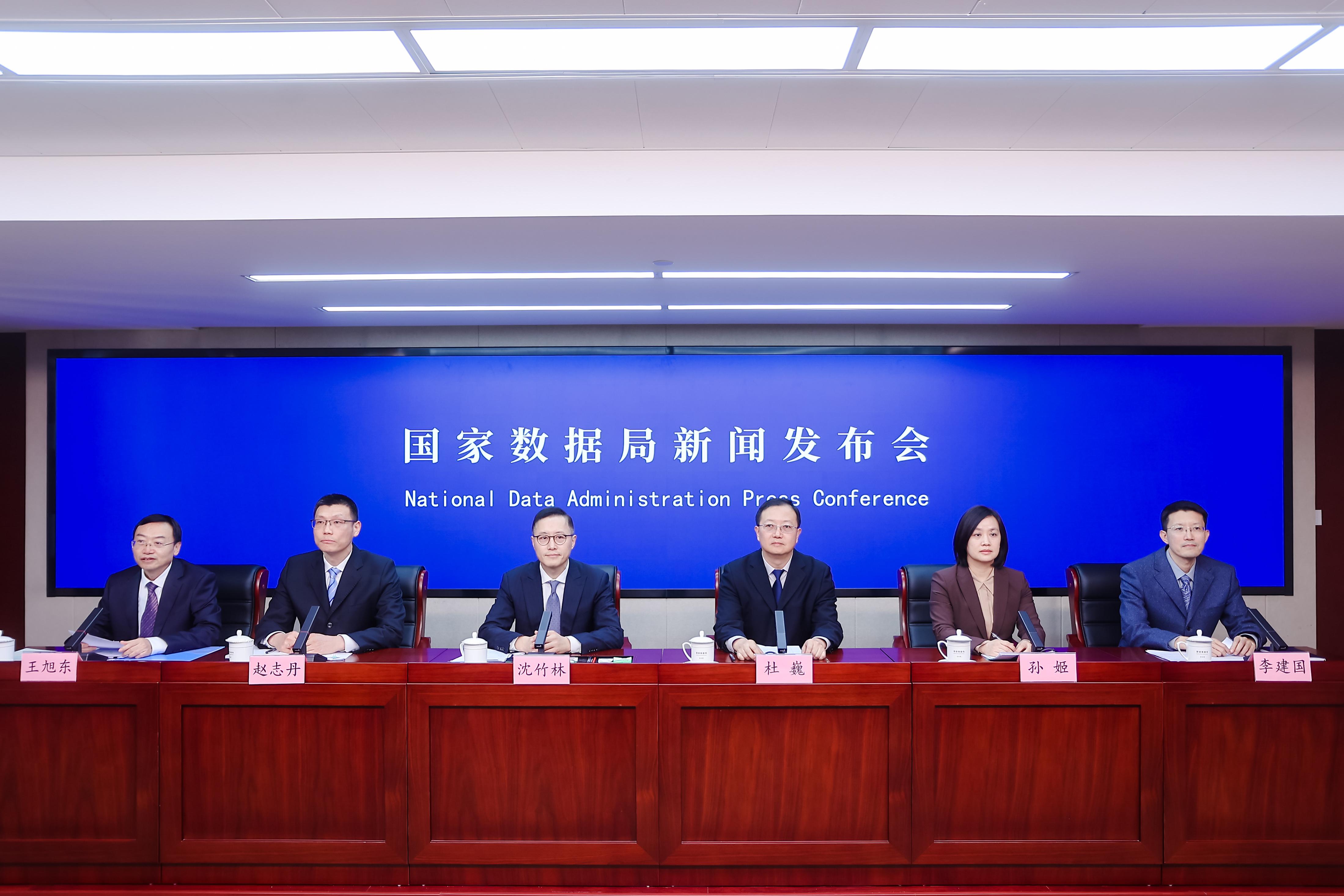
Still, can tighter integration between tax data and banking systems materially expand credit access without introducing new compliance burdens? Deputy director Shen Zhulin of the National Data Administration said the initiative could attract significant private and institutional capital into the sector.
China’s approach remains sharply differentiated from its stance on cryptocurrencies. Authorities imposed a nationwide ban on crypto trading and mining in 2021, and recent 2026 rules extend restrictions to stablecoins and tokenized real-world assets without prior approval.
The next phase will hinge on pilot adoption across banks and tax authorities, where early implementation metrics will determine whether blockchain-based credit models scale across China’s financial system.



