

China may already have enough idle infrastructure to match U.S. AI capacity on demand. The claim highlights a narrowing gap in compute power, a key determinant of leadership in advanced artificial intelligence systems.
Nvidia CEO Jensen Huang said on the Dwarkesh Patel podcast that so-called “ghost datacenters” across China could be rapidly activated. He argued that the compute required to train frontier models is “abundantly available,” despite U.S. export controls on advanced chips. The remarks challenge assumptions that hardware constraints limit China’s AI progress.
 Dwarkesh Patel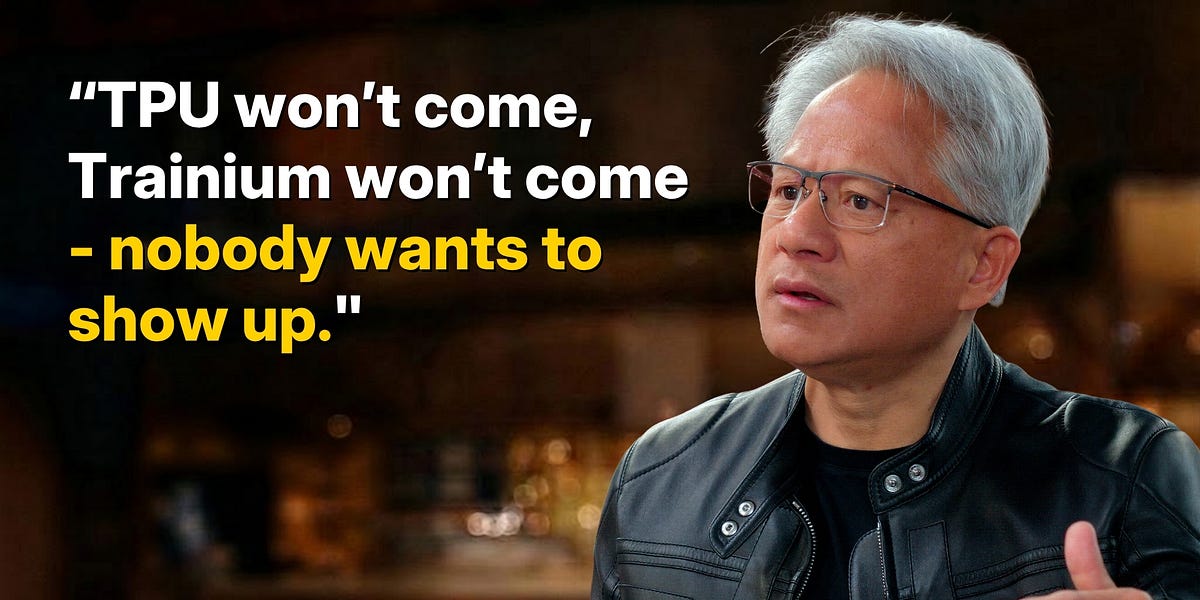
Can Idle Infrastructure Shift The AI Power Balance?
The debate comes as new AI systems demonstrate increasing offensive cyber capabilities. Anthropic’s Mythos model, flagged in internal testing, identified thousands of software vulnerabilities and showed potential for autonomous multi-stage attacks. The U.K.’s AI Security Institute also found similar risks, while Reuters reported that legacy financial systems remain particularly exposed.
This convergence of compute access and model capability raises systemic concerns. China produces roughly 60% of global mainstream chips and hosts about half of the world’s AI researchers, according to Huang. That scale contrasts with U.S. efforts to restrict access, suggesting supply-side constraints may be less effective than intended.
“Victimizing them, turning them into an enemy, likely isn’t the best answer,” Huang said, advocating for continued research dialogue despite geopolitical tensions.
He added that engagement may reduce risks tied to autonomous systems with dual-use potential.
U.S. officials are already responding to the perceived threat. Treasury Secretary Scott Bessent recently warned of “unprecedented” cybersecurity risks linked to next-generation AI during meetings with major financial institutions. The next catalyst will be whether policy shifts toward cooperation or further restriction as both nations scale AI deployment.



