

Chainlink has officially launched the Chainlink Reserve, a new initiative designed to accumulate LINK tokens using both on-chain and enterprise revenue. Announced on August 7, this move marks a strategic shift toward treasury accumulation, aiming to reinforce the utility and value of the LINK token in a transparent and measurable way.
 Chainlink
Unlike traditional corporate reserves or publicly traded firms that hold crypto assets to boost investor confidence or hedge balance sheets, Chainlink’s strategy centers around converting revenue into LINK—its native token—via its Payment Abstraction system. This system takes both fiat and crypto revenue streams and converts them into LINK tokens, which are then deposited into a smart contract on Ethereum, viewable by anyone on Etherscan.
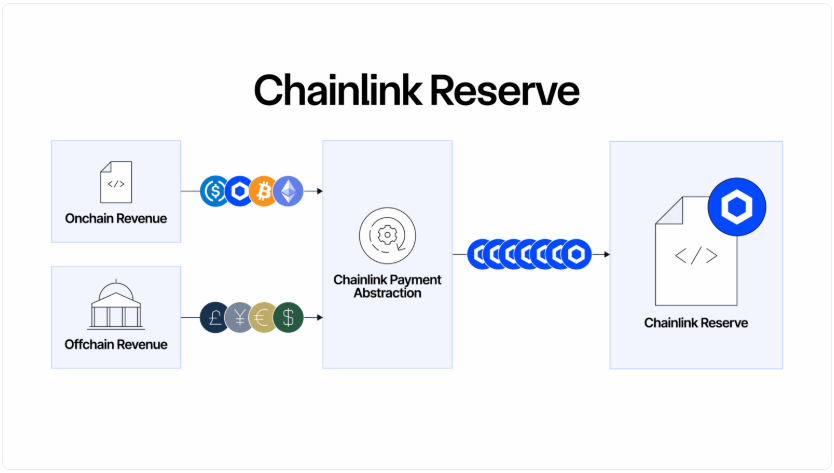
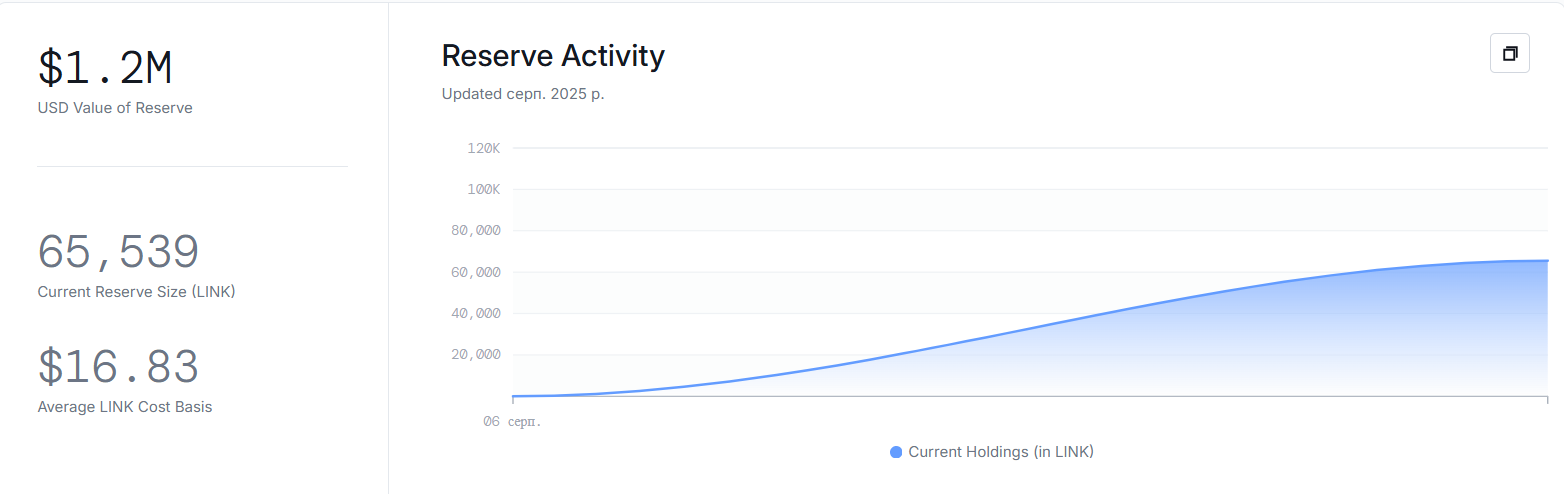
So far, the reserve has amassed over $1.2 million worth of LINK, even before its public unveiling. Revenue sources feeding into the reserve include off-chain enterprise fees for services like data delivery and maintenance, as well as on-chain income from protocol usage and network partnerships.
By converting its operational revenue into LINK, Chainlink is effectively aligning its business success with token demand. As more enterprises pay for Chainlink’s services and more decentralized apps use its infrastructure, the system will need to purchase additional LINK tokens—putting upward pressure on the price and reducing the amount available on the open market.
However, it’s important to note that Chainlink isn’t a publicly traded company, so unlike firms such as Strategy or Metaplanet, the reserve isn’t designed to give stockholders indirect exposure to crypto assets. Instead, this is a token-centric approach to treasury management, reinforcing long-term tokenomics rather than short-term investor optics.
This move could set a precedent for other web3 projects, showing how operational growth can be directly funneled back into the native ecosystem in a transparent, blockchain-native way.



