

Lawmakers challenged the Commodity Futures Trading Commission (CFTC) over its ability to regulate surging prediction markets, citing contracts tied to geopolitical events and large speculative gains. The scrutiny highlights rising regulatory pressure as these platforms intersect with crypto and derivatives markets.
CFTC Chair Michael Selig faced bipartisan questioning during a House Agriculture Committee hearing on Thursday, where members pressed him on oversight gaps and staffing constraints. The discussion focused on prediction markets, decentralized exchange activity, and whether the agency can enforce rules across offshore platforms.
Can The CFTC Effectively Police Prediction Markets Growth?
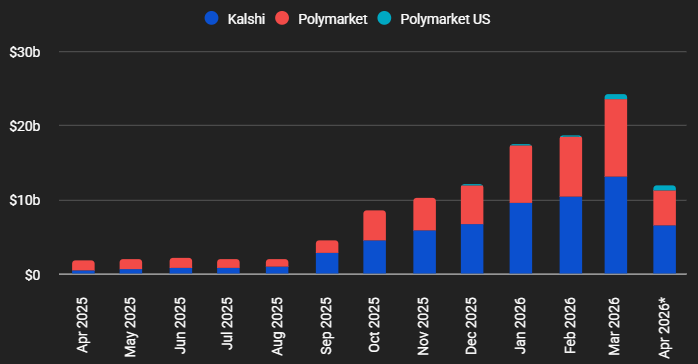
Prediction markets have expanded rapidly, with platforms like Kalshi and Polymarket gaining traction following the 2024 U.S. election cycle. The CFTC has asserted “exclusive jurisdiction” over such contracts, yet faces pushback from state regulators and lawmakers concerned about gambling-like activity.
The issue extends into crypto-native venues, including Hyperliquid, where offshore perpetual futures tied to assets like oil have drawn participation from non-crypto traders. Yet, jurisdictional limits complicate enforcement, particularly as these platforms operate outside U.S. regulatory boundaries.
“This is nuts,” said Representative Jim Costa, questioning whether markets tied to events such as the death of foreign leaders align with regulatory intent. Still, Selig maintained the agency is addressing these developments through a proposed rulemaking process and ongoing market monitoring.
Resource constraints remain a central concern. The CFTC operates with significantly fewer personnel than the Securities and Exchange Commission (SEC), with roughly one-sixth of its staffing levels, raising questions about enforcement capacity as mandates expand.
Selig said the agency is increasing hiring and deploying artificial intelligence tools to improve surveillance, while continuing rulemaking despite operating without a full commission. With additional nominations pending and legislation that could expand CFTC authority advancing, the next catalyst will be whether Congress aligns funding and staffing with the agency’s growing oversight scope.



