

BlackRock has taken another step into the digital asset market, filing a new registration with the U.S. Securities and Exchange Commission for a staked Ethereum exchange-traded fund. The proposed product, called the iShares Staked Ethereum Trust ETF, would track the price of ether while also capturing staking rewards—provided the sponsor determines staking can be done without introducing legal or regulatory risk.
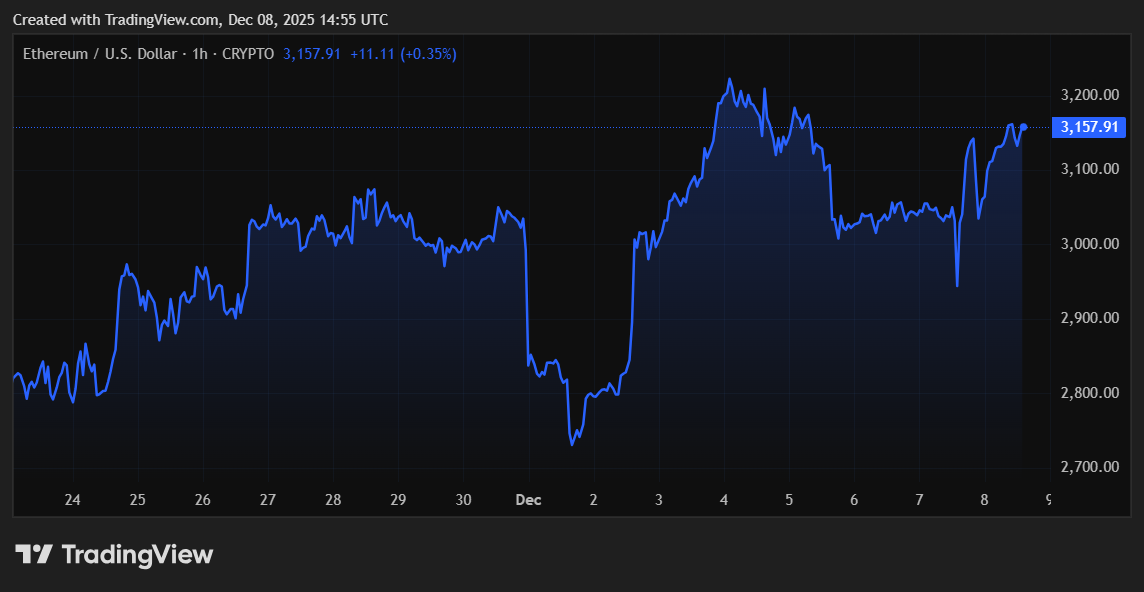
The filing, submitted Friday, follows BlackRock’s recent move to register the fund name in Delaware, hinting that an SEC submission was on the way. In its application, the asset manager said the trust aims to mirror ether’s market performance along with additional yield generated from staking a portion of its holdings. Any staking activity, it noted, would be carried out only if it does not jeopardize the trust’s tax classification or create compliance issues.
BlackRock already operates a spot ether ETF on Nasdaq. In July, Nasdaq updated its 19b-4 filing to request approval to add staking to that fund as well. Other major issuers have followed similar paths: Grayscale has incorporated staking into its Ethereum ETF, while Fidelity offers staking in its SOL ETF. The broader ETF market has also widened recently, with new products tied to DOGE, XRP, and other digital assets launching amid a friendlier stance toward crypto in Washington over the past year.
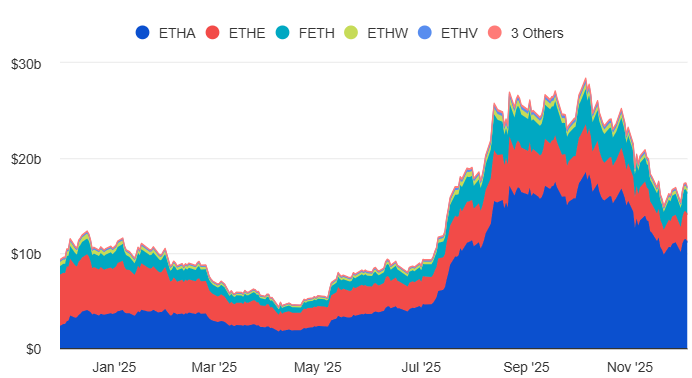
BlackRock’s existing fund, the iShares Ethereum Trust (ETHA), is the largest spot ether ETF in the United States, holding roughly $17 billion in assets under management. The firm’s latest proposal suggests it wants to stay ahead as investor interest shifts toward yield-bearing crypto products.
If approved, the staked ETF would give traditional investors another way to access Ethereum’s growing staking ecosystem through a regulated, exchange-listed vehicle—an option that could reshape how mainstream markets interact with crypto rewards.



