

BitMart has emerged as a leader in Bitcoin perpetual liquidity among major centralized cryptocurrency exchanges, according to newly analyzed market data comparing order book depth across global trading venues.
The data, which examined the top seven levels of order books measured in U.S. dollars, shows BitMart consistently maintaining deeper liquidity in both Bitcoin (BTC) and Ethereum (ETH) perpetual markets throughout the observed period. This performance placed the exchange ahead of several well-known competitors, even as broader market conditions shifted.
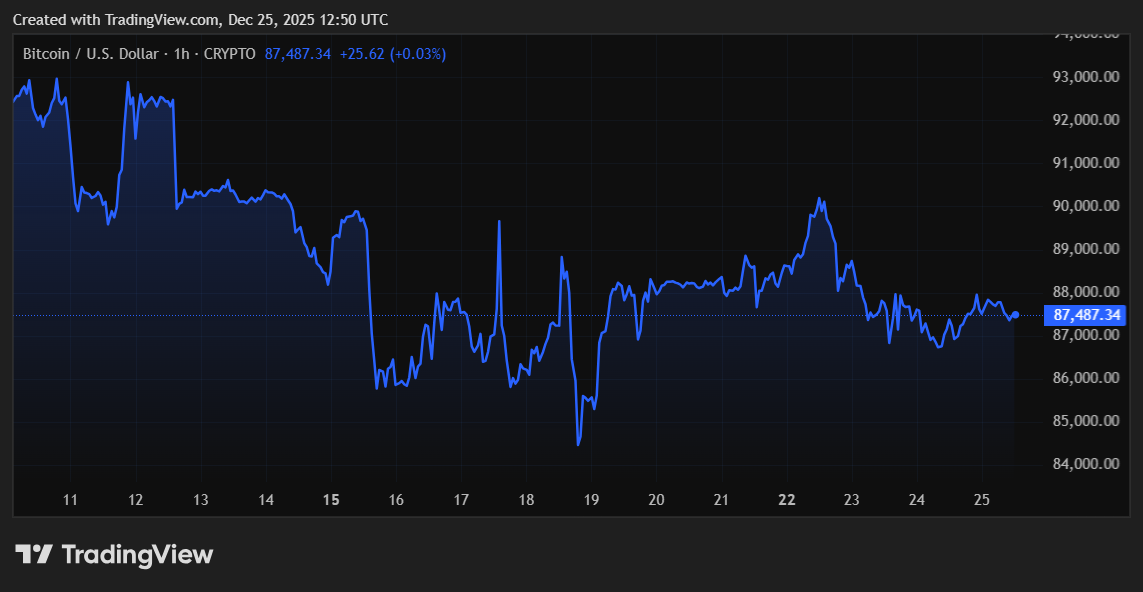
Order book depth is a key indicator of market quality. It reflects how much buying and selling interest is available near the current market price. Deeper order books generally allow large trades to be executed with less price impact, helping traders avoid slippage and sudden price gaps. For active traders and institutions, this can translate into more predictable execution, especially during volatile market conditions.
In Bitcoin perpetual markets, BitMart’s liquidity remained notably stable over time. While other exchanges experienced sharper fluctuations and slower recoveries in depth, BitMart’s order book showed fewer disruptions. Charts from the data set indicate that its BTC liquidity stayed elevated even during periods when market activity shifted across platforms.
A similar pattern appeared in Ethereum perpetual markets. BitMart again led peers in order book depth, with liquidity gradually strengthening toward the latter part of the observation window. Competing exchanges, by contrast, displayed flatter or more uneven liquidity profiles, suggesting less consistent support at key price levels.
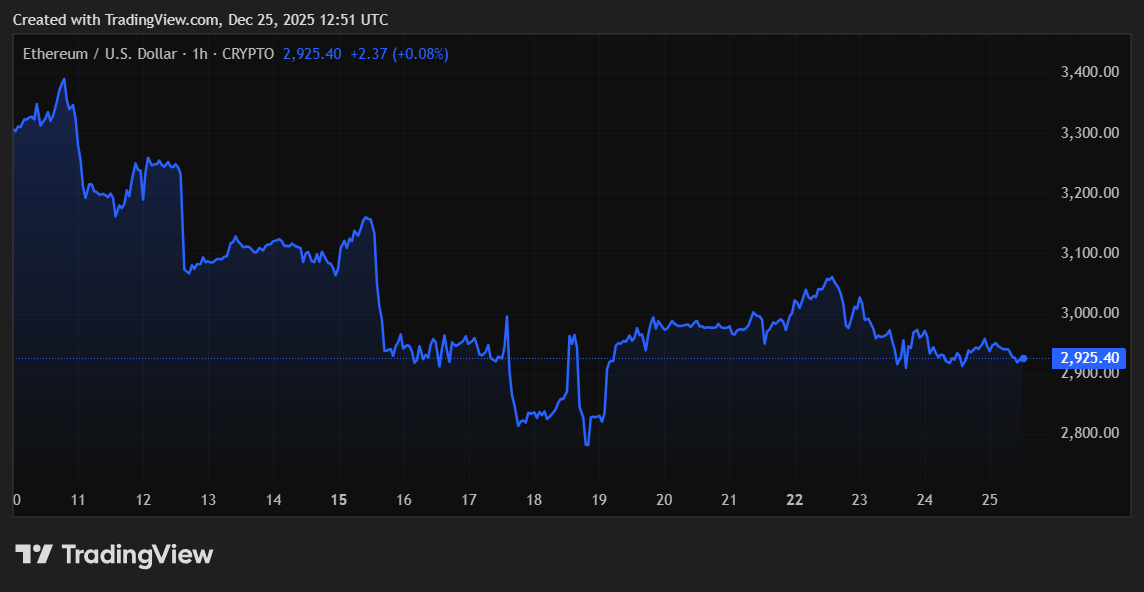
Market structure analysts often point out that depth at the top levels of the order book plays an outsized role in execution quality. When liquidity is concentrated close to the market price, trades are more likely to be filled without pushing prices significantly higher or lower. This typically results in tighter bid-ask spreads and smoother trade execution, even when volumes increase.
The fact that BitMart showed stronger liquidity across both Bitcoin and Ethereum suggests the trend was not driven by a single asset or short-term market event. Instead, the data points to a more sustained liquidity profile during the period analyzed. Consistency across multiple major trading pairs is often viewed as a sign of structural strength in an exchange’s derivatives market.
Perpetual contracts, which allow traders to speculate on price movements without an expiration date, rely heavily on robust liquidity to function efficiently. Shallow order books can lead to sudden price swings and higher trading costs. Deeper liquidity, by contrast, helps absorb larger orders and contributes to more orderly price discovery.
While the data reflects performance during a specific timeframe, it highlights how liquidity conditions can vary widely between exchanges, even in highly competitive markets. For traders evaluating where to place orders, these differences can have a meaningful impact on overall trading costs and risk management.



