
What Is a Genesis Block?
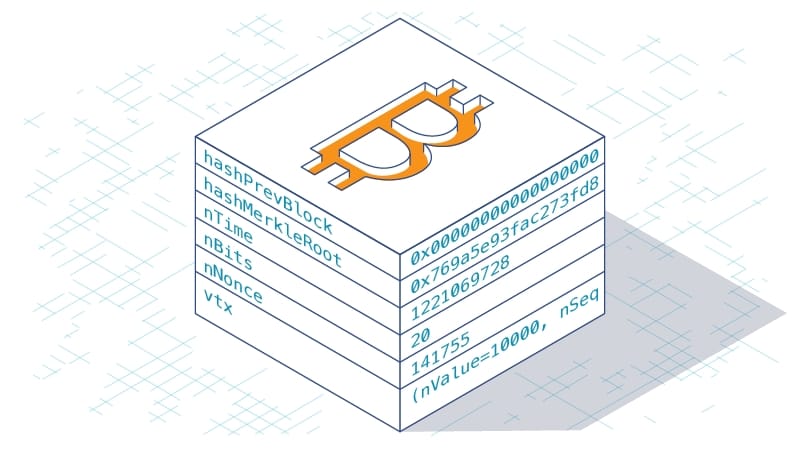
Every blockchain begins with a starting point: the genesis block. Sometimes called Block 0 or Block 1, it’s the very first block in a blockchain’s ledger. Normally, each block references the one before it, creating a chain of verified records. But because the genesis block is the first of its kind, it has no predecessor to point back to. Instead, it’s hardcoded into the blockchain’s software, serving as the foundation for everything that follows.
For Bitcoin, that origin story began on January 3, 2009.
The Birth of Bitcoin
Bitcoin’s genesis block was created by its pseudonymous founder, Satoshi Nakamoto, at a time when trust in traditional banking was faltering after the 2008 financial crisis. The block carried a reward of 50 BTC. Unlike later mining rewards, though, these coins are unspendable — a quirk that has puzzled the crypto community for years. Satoshi never explained whether this was deliberate or simply a byproduct of the code.
The block itself has a distinctive hash:
000000000019d6689c085ae165831e934ff763ae46a2a6c172b3f1b60a8ce26f
Interestingly, it contains two extra leading zeros compared to other early Bitcoin blocks, adding to its uniqueness.
The 50 BTC reward was recorded at the Bitcoin address 1A1zP1eP5QGefi2DMPTfTL5SLmv7DivfNa, which, over the years, has attracted additional transactions from admirers. As of Bitcoin’s 10th anniversary in 2019, that wallet had received nearly 1,500 transactions totaling over 66 BTC — none of which can ever be withdrawn.
The Hidden Message
Satoshi embedded a message inside the genesis block that remains one of Bitcoin’s most iconic features. Within the block’s “coinbase” data is a headline pulled straight from the front page of The Times (UK newspaper):
“The Times 03/Jan/2009 Chancellor on brink of second bailout for banks”
On the surface, the message acts as a timestamp, proving the block couldn’t have been created before that date. But many interpret it as a political statement — a critique of the financial system’s fragility and a hint at Bitcoin’s intended purpose: to create a decentralized alternative free from government bailouts and banking failures.
A Six-Day Gap
Another curious detail lies in Bitcoin’s early timeline. While the genesis block was mined on January 3, the next block (Block 1) wasn’t added until January 9, 2009 — a six-day gap. No one knows exactly why. Some speculate Satoshi may have taken a deliberate pause, while others see symbolism, comparing it to the six days of creation in the Bible.
Why It Matters Today
The genesis block isn’t just a piece of Bitcoin trivia; it’s a cornerstone of modern finance and technology. From that single block sprang an industry worth trillions, reshaping how people think about money, trust, and digital ownership.
Whether Satoshi’s choices were intentional or accidental, the block’s mysteries continue to fascinate both historians and crypto enthusiasts alike. It stands as both a technical starting point and a cultural artifact — a reminder of why Bitcoin was created and what it set out to challenge.



