

South Korean prosecutors have liquidated 320.8 bitcoin, converting the seized assets into 31.6 billion won, or roughly $21.5 million, transferred to the national treasury. The sale follows an unusual sequence where the cryptocurrency was first stolen through a phishing attack, then later returned to authorities.
The Gwangju District Prosecutors’ Office seized the bitcoin during an investigation into an international online gambling operation that ran between 2018 and 2021. According to local media reports, the platform’s operators converted illicit proceeds into bitcoin before authorities confiscated the funds. The office sold the assets gradually over 11 days, from Feb. 24 through March 6.
 조선일보
조선일보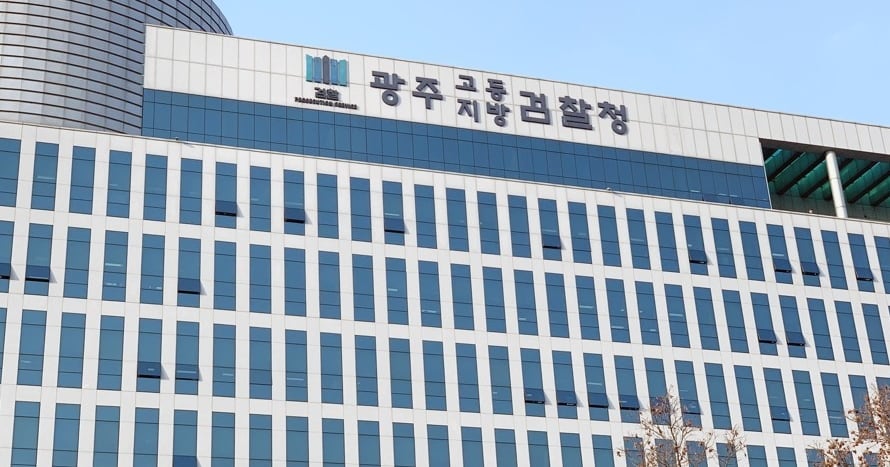
What Do Korea’s Crypto Custody Failures Reveal?
The seizure turned into a security incident in August 2025 when officials responsible for managing the bitcoin accessed a phishing website and lost control of the wallet. Authorities only discovered the breach in December. But the case took an unexpected turn when the unidentified hacker returned the full 320.8 BTC last month.
Law enforcement officials said they restricted the wallet’s ability to move funds through major liquidation channels before the assets were sent back. Why would a hacker return more than 300 bitcoin after successfully compromising a government-controlled wallet?
The episode has amplified scrutiny of digital asset management across South Korean agencies. A nationwide internal review revealed that Seoul’s Gangnam Police Station has been unable to locate 22 BTC stored in a USB cold wallet since 2021. The device itself was never reported stolen, raising the possibility of internal mishandling.
Separate criticism recently targeted the National Tax Service after a report accidentally disclosed a cryptocurrency wallet recovery phrase. Shortly after publication, 4 million Pre-Retogeum (PRTG) tokens, theoretically valued at about $4.8 million, moved to an unidentified address.
Together, the incidents highlight persistent operational gaps as law enforcement agencies increasingly handle confiscated digital assets tied to financial crime investigations. The next policy test may come if South Korea’s justice authorities introduce standardized custody systems for seized cryptocurrency.



