
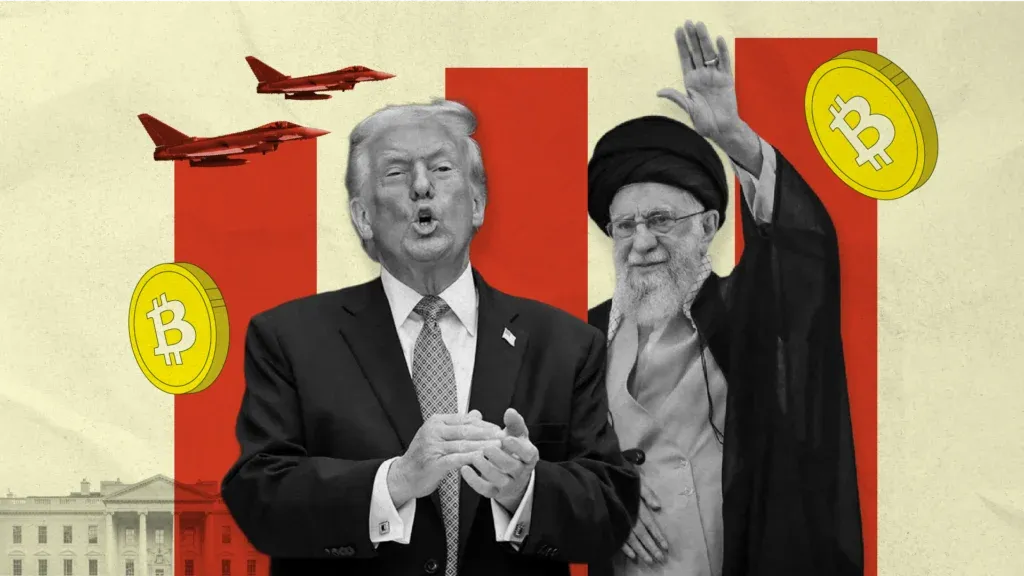
Bitcoin surged back above $70,000 on Monday, rising 4.4% within hours as easing geopolitical tensions triggered a sharp reversal in risk sentiment across digital assets. The move highlights how macro signals continue to dictate short-term crypto pricing.
Bitcoin climbed from roughly $68,500 to near $71,500 following comments from Donald Trump, who said U.S.-Iran discussions were “very good and productive.” Ethereum also advanced 7.2%, reaching around $2,196 before stabilizing near $2,160, according to data.
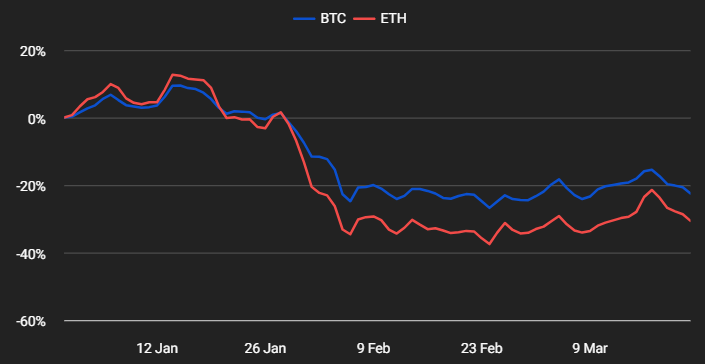
Are Geopolitics Now Driving Crypto Price Cycles?
The rebound follows a volatile stretch where escalation fears pushed global markets into a defensive posture. Earlier threats targeting energy infrastructure raised concerns about supply disruption through the Strait of Hormuz, pressuring equities while strengthening the U.S. dollar and lifting Treasury volatility. In contrast, gold declined despite geopolitical stress, signaling shifting correlations across asset classes.
But crypto’s reaction suggests alignment with broader risk assets rather than acting as a hedge. Analysts note that Bitcoin’s 4.4% intraday move compares with Ethereum’s sharper 7.2% gain, indicating higher beta behavior during macro-driven rebounds. Is Bitcoin still viewed as digital gold, or simply another liquidity-sensitive asset?
Timothy Misir, head of research at BRN, said markets are currently driven by “one theme above all others: geopolitical inflation,” adding that Bitcoin may remain rangebound and reactive to energy prices and real yields. Nic Puckrin, co-founder of Coin Bureau, echoed the view, stating that recent price action shows Bitcoin behaves as a risk-on asset during periods of stress.
Still, the near-term trajectory hinges on whether diplomatic progress continues or tensions re-escalate. Trump indicated talks would extend through the week, with a temporary pause on potential military action tied to progress in negotiations. The next catalyst will be whether those discussions produce a sustained de-escalation or revive volatility across global markets.



