

Bitcoin retreated to around $71,000 after failing to hold gains near $74,000, as renewed tensions in the Strait of Hormuz reversed a short-lived ceasefire rally. The move reinforces crypto’s alignment with macro risk factors, particularly energy-driven inflation expectations.
The pullback followed the breakdown of U.S.-Iran negotiations and escalating rhetoric around a potential naval blockade. Ether traded near $2,190, while broader digital assets also declined, reflecting a coordinated risk-off shift. Analysts noted that rising oil prices above $100 and renewed geopolitical uncertainty pressured sentiment across markets.
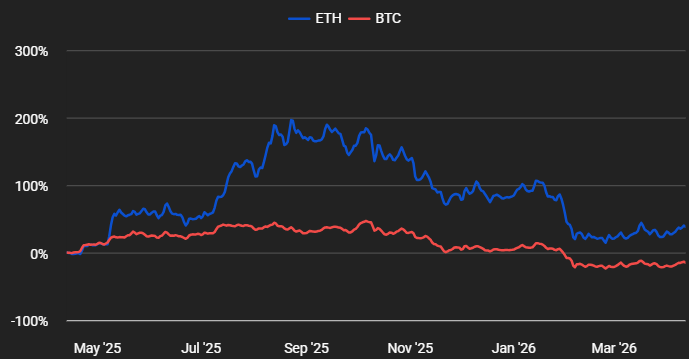
Is Bitcoin Now Trading As A Pure Macro Asset?
QCP Capital said the market had positioned for a diplomatic breakthrough but instead met resistance as conditions deteriorated. The firm described the current setup as trading “execution, not headlines,” where credibility around geopolitical actions directly influences price behavior. Meanwhile, Nexo analysts said the unwind of the ceasefire-driven rally has not triggered widespread forced selling.
Despite the pullback, structural indicators show a more stable market compared to earlier in the year. Nearly $1 billion in spot bitcoin exchange-traded fund inflows last week helped absorb selling pressure, while liquidation levels remain below first-quarter peaks. Futures open interest stood at $56.5 billion at the end of March, down 54% from the October 2025 high, according to FalconX data.
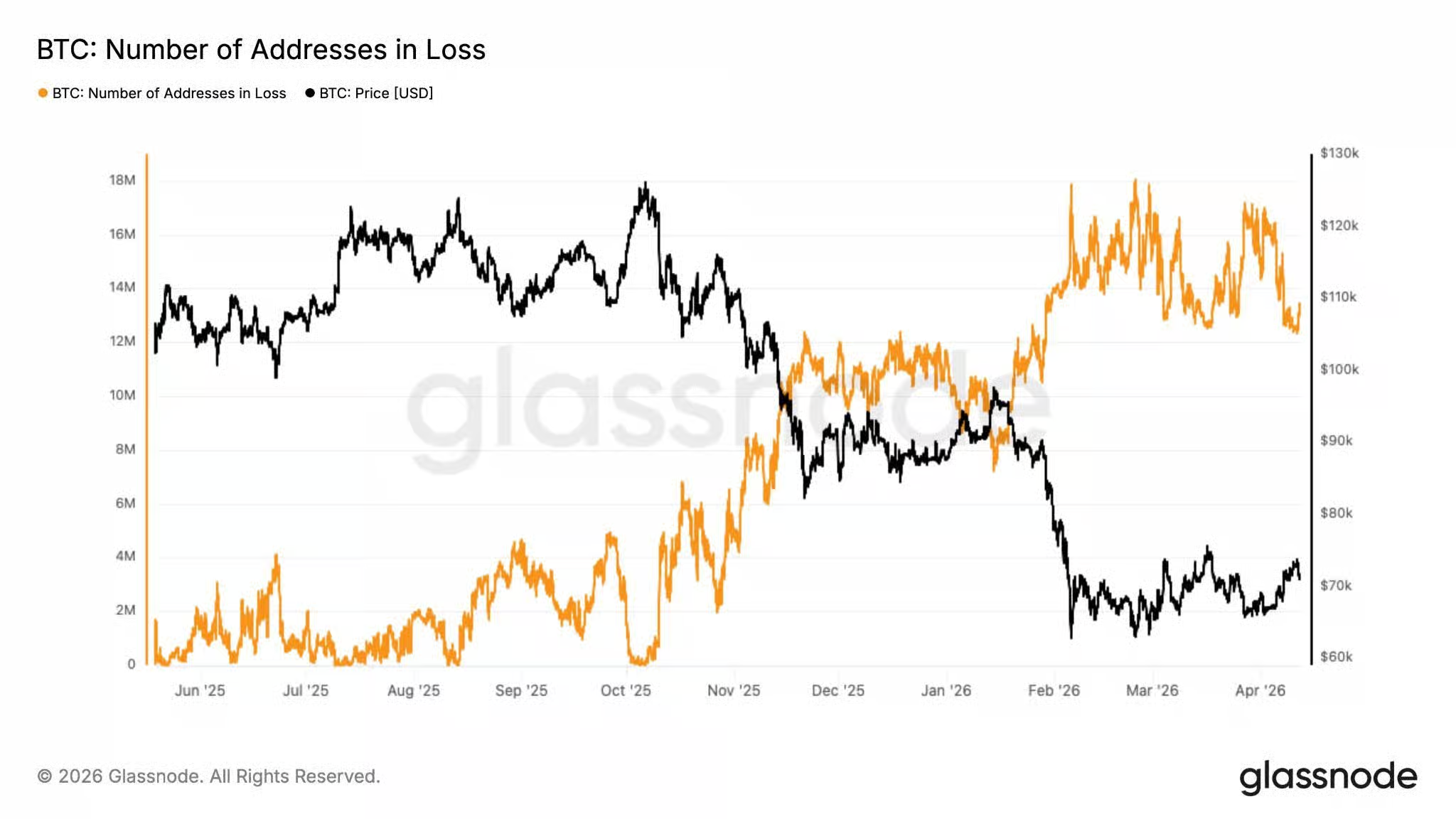
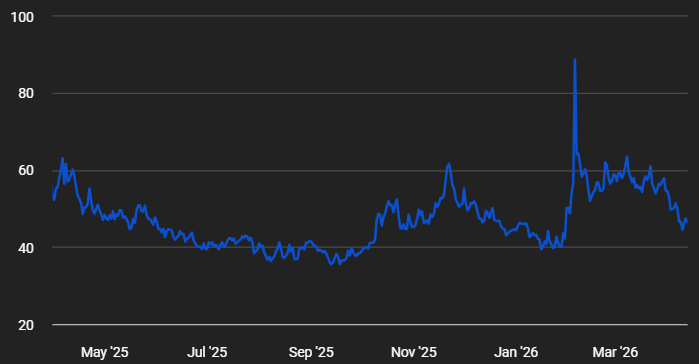
Still, overhead supply continues to cap upside momentum. Roughly 13.5 million bitcoin addresses remain underwater, creating persistent selling pressure as prices approach the $70,000 to $80,000 range. Options markets also reflect uncertainty, with implied volatility near 45, indicating expectations for continued range-bound trading rather than a breakout. Can bitcoin sustain support without a clear shift in macro conditions?
Inflation dynamics remain central to the outlook, with U.S. March CPI rising to 3.3% year over year from 2.4% in February as energy costs increased. Analysts said this keeps the Federal Reserve cautious, limiting upside for risk assets. The next catalyst will be whether geopolitical developments or inflation data shift the current balance between risk appetite and macro pressure.



