

Bitcoin traded just below $72,000 after gaining more than 4% in 24 hours, with over $100 million in short positions liquidated during the move, according to CoinGlass data. The rebound highlights renewed momentum, but analysts say macro forces increasingly shape the asset’s next direction.
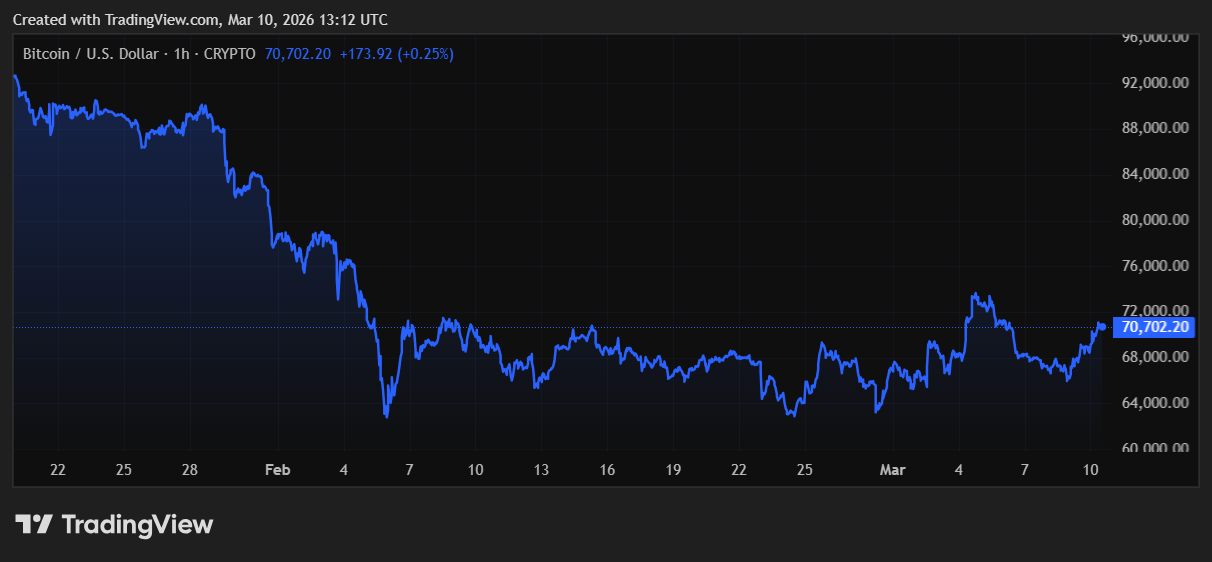
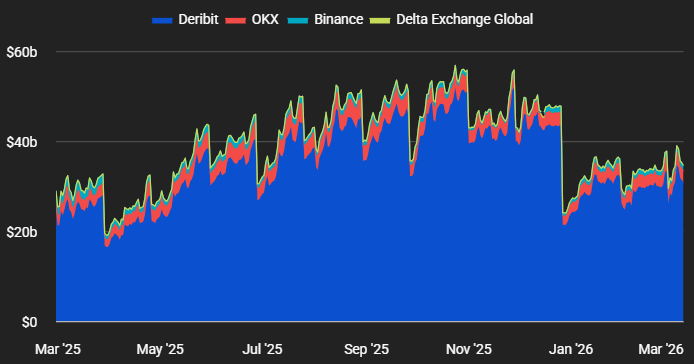
Researchers at Bitfinex argue the market structure has shifted after months of deleveraging across crypto derivatives. The February selloff pushed bitcoin down to roughly $60,000 from around $79,000 and significantly reduced open interest across futures markets. As speculative leverage declined, broader financial conditions began exerting stronger influence on price movements.
Are Oil Prices Now Steering Bitcoin’s Market Direction?
Energy markets have become an unexpected driver. Crude oil prices surged about 80% from recent lows to peaks above $100 per barrel in the past three weeks amid escalating geopolitical tensions linked to the Iran-Israel conflict.
Higher oil prices often feed directly into inflation expectations. Energy represents roughly 9% of consumer price index baskets in developed economies, meaning sustained price increases can delay interest-rate cuts and tighten liquidity conditions.
“Bitcoin is transitioning from a leverage-driven correction to a macro-driven consolidation phase,” Bitfinex analysts wrote. “Liquidity expectations become more important in the absence of large derivatives market participation.”
Market behavior increasingly reflects that shift. Analysts say bitcoin has recently shown stronger correlation with technology equities than with traditional safe-haven assets such as gold. In a liquidity-sensitive environment, rising U.S. real yields and a stronger dollar could limit risk appetite across digital assets.
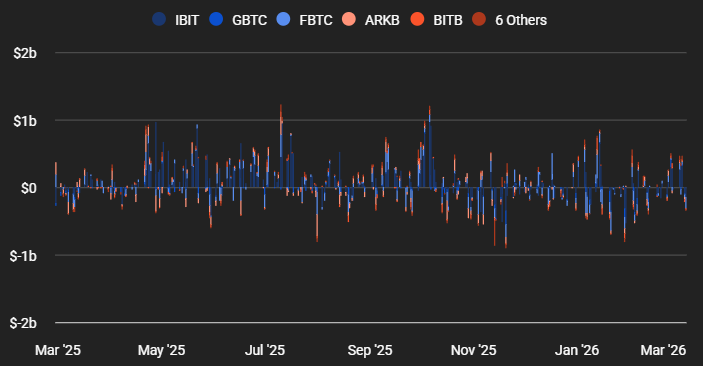
Institutional flows offer another signal. Spot bitcoin exchange-traded funds (ETFs) recorded $167 million in net inflows on March 9, according to SoSoValue data. BlackRock’s iShares Bitcoin Trust (IBIT) led the move with roughly $109 million in new capital, suggesting steady demand from traditional investors.
Technical indicators also reinforce a consolidation phase. Analysts identify $60,000 as a key structural support level, while the $70,000 to $72,000 range represents near-term supply pressure. Onchain metrics place the next major resistance near $78,000, where large cohorts of holders previously accumulated.
Still, macro conditions may ultimately determine whether bitcoin breaks higher or revisits support levels. With the U.S. savings rate recently falling to 3.6%, well below the long-term average near 6%, rising energy costs could tighten household budgets and weaken economic momentum. The next catalyst for crypto markets may arrive not from blockchain developments, but from inflation data and signals from the Federal Reserve’s rate policy.



