

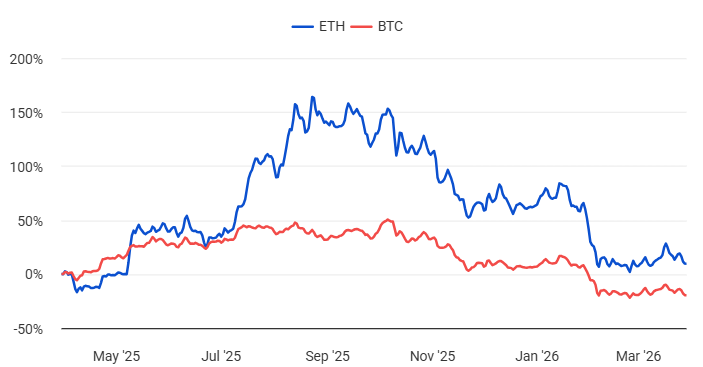
Bitcoin (BTC) traded near $66,000 at the start of the week, holding within a narrow $65,000 to $70,000 range despite rising geopolitical and macro pressure. The resilience matters as institutional flows reverse and external risks begin to dominate short-term price direction.
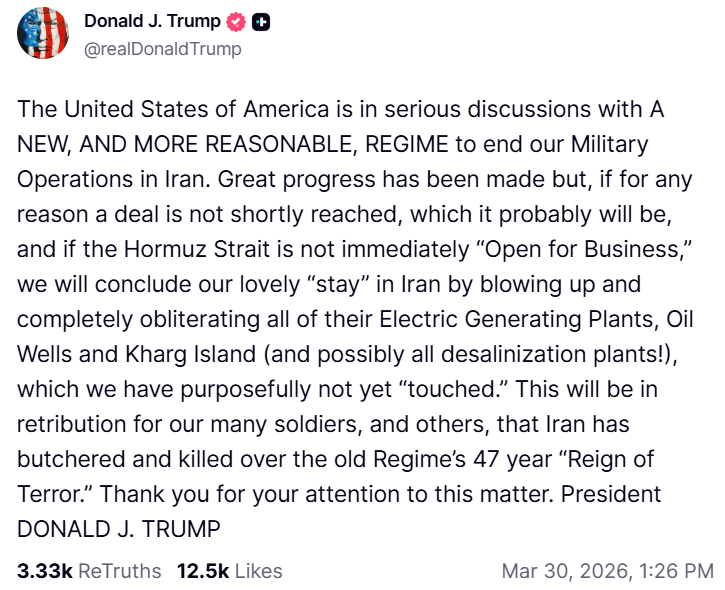
The asset briefly dipped toward $64,000 خلال weekend trading before recovering toward $68,000 following comments from U.S. President Donald Trump بشأن ongoing discussions with إيران. According to data, ether (ETH) also climbed, rising نزدیک 4% to trade above $2,050 as sentiment improved modestly خلال intraday hours.
Can Bitcoin Sustain Its Range Under Macro Pressure?
QCP Capital noted that bitcoin has repeatedly weakened late in the week as traders reduce exposure, only to stabilize at the بداية of the following week. This pattern has persisted through March, even as the asset has outperformed gold and equities since tensions in the Middle East intensified. Yet price action remains reactive to headlines rather than driven by strong directional conviction.
Institutional demand has also softened. U.S. spot bitcoin ETFs recorded $296 million in net outflows last week, ending a four-week streak of inflows, while ethereum-linked products saw over $200 million in withdrawals. That shift reduces a key الدعم source that had supported recent recovery attempts. Does this leave spot demand to carry the market alone?
“The near-term setup is fragile,” said Timothy Misir, head of research at BRN, describing bitcoin as sitting on a “knife-edge” between competing macro forces. Analysts at Laser Digital echoed the caution, warning that rallies may fade without clear progress on geopolitical مذاکرات or easing inflation expectations. Rising energy costs could also الضغط miners to increase selling activity.
Still, some underlying demand persists. FalconX data shows roughly $1.5 billion in ETF inflows earlier this month, suggesting longer-term capital has not fully exited. Price stability relative to traditional assets may also indicate reduced forced selling after prior drawdowns.
The next catalyst now centers on upcoming U.S. economic data, including labor and retail figures, alongside developments in the Iran situation that could reset risk sentiment across global markets.



