

Binance, the world’s largest cryptocurrency exchange, has taken a significant step toward securing its future in Europe by applying for a European Union–wide crypto license in Greece. The move comes as the clock ticks down to a key July 1 compliance deadline under the EU’s Markets in Crypto-Assets (MiCA) regulatory framework.
According to reports from Greek City Times, Binance has filed its application through Greek regulators and set up a local holding company to support the process. The application is reportedly being reviewed on an accelerated basis, with major international accounting firms such as Ernst & Young and KPMG involved in assessing the submission.
If approved by the Hellenic Capital Market Commission, the license would allow Binance to offer and market its crypto services across all 27 EU member states. This is made possible through MiCA’s “passporting” system, which enables companies licensed in one EU country to operate across the entire bloc without seeking separate national approvals.
Why Greece?
Binance’s choice of Greece has raised eyebrows within the industry. Athens is not traditionally viewed as a leading European financial center, nor does it have the long-standing crypto-friendly reputation of jurisdictions like Malta. Still, Greece’s regulators have been steadily aligning with EU financial standards, and MiCA provides a uniform rulebook regardless of where a company applies.
Introduced in 2023, MiCA aims to bring consistency to crypto regulation across Europe. The framework sets clear requirements around governance, transparency, consumer protection, and compliance. Crypto firms already operating in the EU must secure authorization by the end of June or risk being forced to scale back or shut down services in individual countries.
Consolidating Binance’s European Footprint
The Greek filing comes as Binance works to streamline its presence in Europe after several years of regulatory friction. The exchange has withdrawn license applications in Germany and Austria, exited the Netherlands after failing to gain approval, and temporarily suspended services in Belgium before returning through a compliant EU structure. In France, regulators have closely examined Binance’s operations, including conducting onsite inspections.
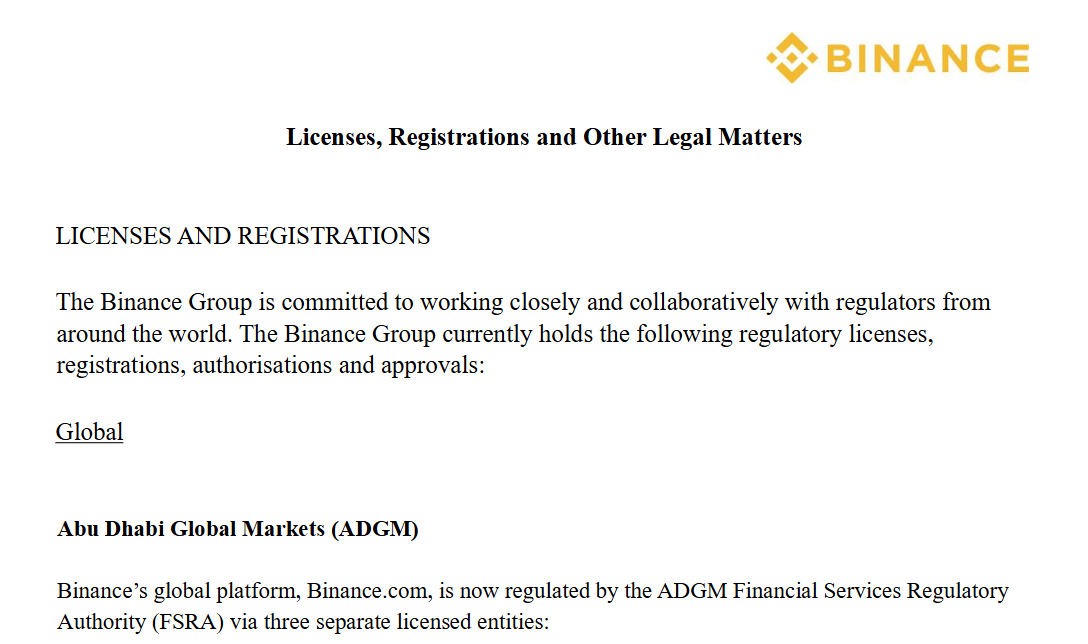
These challenges have highlighted the limitations of relying on a patchwork of national licenses. A single MiCA authorization would allow Binance to replace that fragmented approach with one unified regulatory status across the EU.
Binance currently operates in at least six European countries and says it serves more than 20 million users across the region. Securing a MiCA license would provide regulatory clarity not only for the company, but also for its customers, partners, and regulators.
Looking Ahead
As Europe moves toward a more standardized crypto rulebook, Binance’s application in Greece underscores how important MiCA has become for major industry players. Approval would mark a pivotal moment for the exchange’s European strategy, while a rejection could further complicate its operations in one of the world’s most closely watched crypto markets.
Either way, the outcome will be closely followed by both regulators and crypto firms navigating the new European landscape.



