
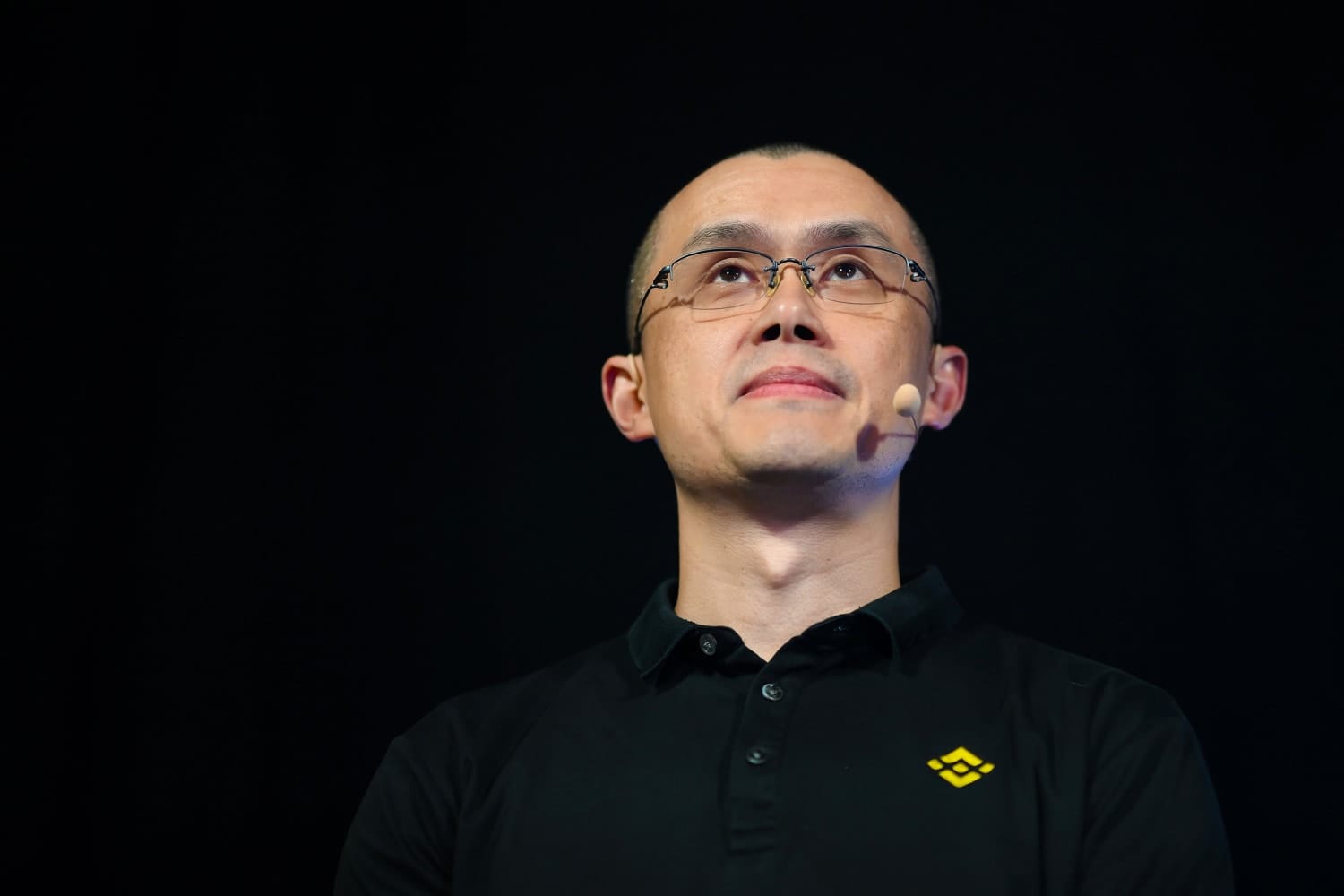
Binance founder and former CEO Changpeng “CZ” Zhao is speaking openly about one of the most turbulent periods of his career, offering reflections on prison, the U.S. pardon process, and what he believes could be a turning point for bitcoin markets.
In an interview with CNBC’s Squawk Box at the World Economic Forum in Davos, Zhao said an October pardon from President Donald Trump brought a sense of closure that lingered even after he completed a four-month prison sentence tied to violations of the U.S. Bank Secrecy Act.
“I was a free man before, but with a felon status,” Zhao said. “Now I’m a real free man.”


Zhao pleaded guilty in 2023 to failing to implement adequate anti-money-laundering controls at Binance, stepping down as CEO as part of a sweeping settlement with U.S. regulators. At the time, he said he did not expect to serve prison time, noting that similar cases historically ended in fines, deferred prosecution agreements, or home confinement.
“No one in U.S. history had ever gone to jail for a single registration failure under the Bank Secrecy Act,” Zhao said, adding that he believed home confinement would have been the most severe likely outcome.
Life behind bars and a lasting lesson
Describing his early days in prison, Zhao called the experience “brutal,” citing strip searches and the shock of incarceration. Still, he said he treated the sentence as something to endure rather than dwell on.
“It’s not something I want to relive,” he said, “but it’s something I’ve moved past.”
When asked about the pardon itself, Zhao said he did not initially pursue one after his release. Lawyers submitted a petition months later, following widespread media speculation that linked his case to the Trump administration’s increasingly pro-crypto stance.
Zhao described the pardon process as opaque and denied any direct outreach or lobbying. He said he has never spoken personally with Trump and only saw him briefly from the audience at a Davos event.
“There’s really no connection,” Zhao said, pushing back on reports suggesting business ties between Binance and Trump-linked entities influenced the decision.
He specifically addressed reporting involving Abu Dhabi-based investor MGX and the use of World Liberty Financial’s stablecoin in a Binance transaction. Zhao said the stablecoin was used purely as a payment method, not as an investment in the issuer.
“If I accept a stablecoin as payment, that doesn’t mean I invested in the issuer,” he said, noting the funds were converted over time.
FTX, crypto markets, and a possible supercycle
Asked about the collapse of rival exchange FTX and whether its founder Sam Bankman-Fried should receive a pardon, Zhao declined to comment. He also rejected narratives portraying him as a central figure in FTX’s downfall.
Zhao confirmed that Binance briefly explored acquiring FTX in 2022 but withdrew after losing confidence in the accuracy of its financial disclosures. He said he had no insight into FTX’s balance sheet before media reports raised alarms about insolvency.
On the state of crypto markets, Zhao said he does not actively trade and avoids trying to time prices. Instead, he described himself as a long-term holder focused on fundamentals rather than short-term moves.
While he declined to offer price targets, Zhao said bitcoin could enter a “supercycle” in 2026, potentially breaking the industry’s long-standing four-year pattern tied to halving events.
“With the U.S. being so pro-crypto now and other countries following, I think we could break the four-year cycle,” he said.
As the interview wrapped up, Zhao offered a candid answer when asked what he would do differently if he could start over.
“If I had known what I know now,” he said, “I would have blocked U.S. users from day one.”
Looking ahead
Zhao’s reflections offer a rare glimpse into the personal and regulatory challenges faced by one of crypto’s most influential figures. As the industry continues to mature under tighter oversight and shifting political winds, his experience underscores how quickly innovation, regulation, and accountability can collide in global finance.



