

A major technology company could introduce built-in cryptocurrency wallet features by 2026, a move that may bring digital assets to billions of users worldwide. The prediction comes from Haseeb Qureshi, managing partner at crypto venture capital firm Dragonfly, who shared his outlook on how crypto and artificial intelligence could develop over the next two years.
While Qureshi did not name the company, industry watchers point to global platforms such as Google, Apple, or Meta as likely candidates. Any of these firms already operate massive ecosystems, and adding a native crypto wallet could instantly lower barriers to entry for everyday users by embedding digital asset access into familiar apps and devices.
Beyond consumer-facing products, Qureshi expects more Fortune 100 companies to build their own blockchains, particularly in banking and fintech. These systems are likely to be permissioned, meaning access is restricted, but still connected to public blockchains. This hybrid approach would allow firms to balance control, compliance, and interoperability.
On the infrastructure side, Avalanche could gain traction as an enterprise-friendly base layer. Companies may rely on development frameworks such as OP Stack, Orbit, and ZK Stack to run private networks that can still interact with public chains. Qureshi cautioned that fintech firms launching standalone Layer 1 blockchains may struggle to attract enough users, leaving established networks like Ethereum and Solana in a strong competitive position.
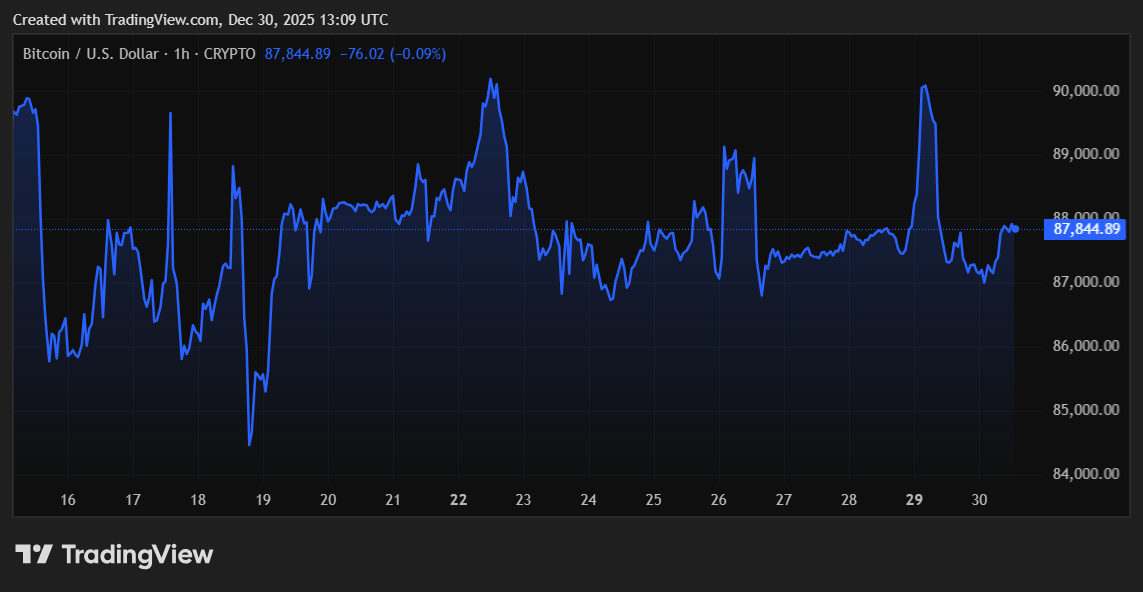
Market-wise, Qureshi anticipates Bitcoin to post solid gains before the end of the year, even as its overall market dominance gradually declines. Growth in other areas, including decentralized finance and stablecoins, could dilute Bitcoin’s share. Ethereum and Solana are expected to remain central to DeFi activity, while some newer, fintech-focused blockchain projects may lag, potentially pushing investors back toward more established platforms.
In decentralized finance, consolidation appears likely. Qureshi predicts that the crowded field of perpetual decentralized exchanges will narrow to roughly three dominant players. He also warned of a potential insider trading scandal within crypto markets, an event that could prompt tougher regulatory scrutiny and reshape how decentralized products are designed and governed.
Stablecoins are another area poised for expansion. Total supply could rise sharply by 2026, though USDT’s share of the market may shrink as competition grows. At the same time, stablecoin-linked payment cards could become far more common, helping crypto assets blend into everyday spending.
Regulation will play a growing role. Frameworks such as the European Union’s Markets in Crypto-Assets regulation, known as MiCA, are expected to be actively enforced. This could offer public companies clearer legal ground and encourage institutional use of crypto for treasury management, payments, and the tokenization of real-world assets.
Finally, the industry may see a wave of public listings. Several high-profile crypto firms, including Kraken, Consensys, and BitGo, are reportedly positioning themselves for potential initial public offerings in 2026.



