
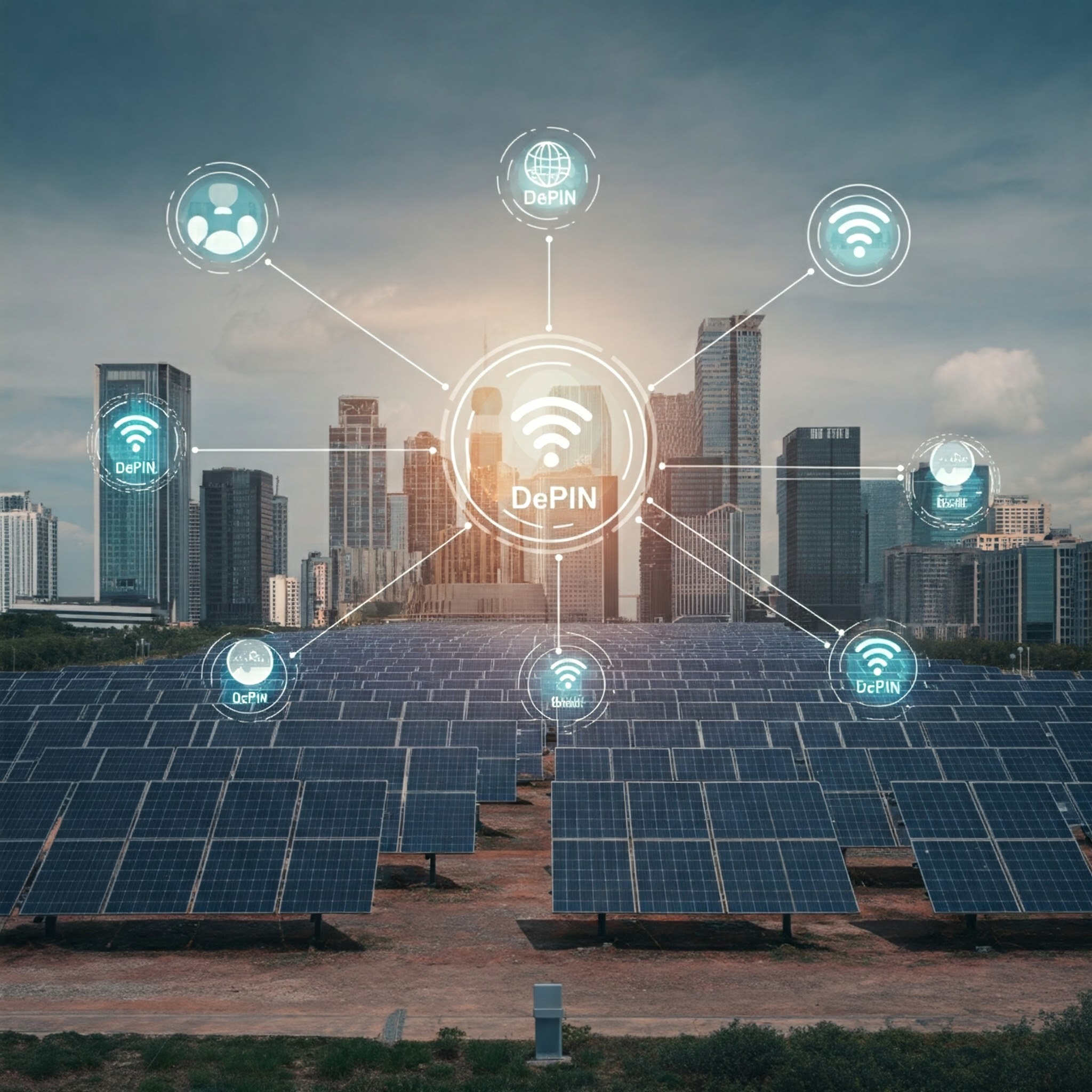
Decentralized Physical Infrastructure Networks (DePINs) are emerging as a transformative force, leveraging blockchain to incentivize the deployment of real-world infrastructure like wireless networks, energy grids, and data storage. This article dives beyond the hype surrounding DePIN, examining the tangible impact these projects are having and exploring the potential for investors to achieve significant returns in this burgeoning sector.
Table of Contents
- What are DePIN Projects?
- How DePIN Projects Work: A Simplified Overview
- Categories of DePIN Projects
- The Real-World Impact of DePIN
- Measuring the ROI of DePIN Projects: Beyond Token Price
- Case Studies: Highlighting Success and Challenges
- Investment Considerations
- Key Takeaways
What are DePIN Projects?
DePIN stands for Decentralized Physical Infrastructure Networks. These projects use blockchain technology and token incentives to encourage individuals and businesses to contribute to the development and maintenance of physical infrastructure networks. Think of it like a decentralized, community-powered version of traditional infrastructure providers, where individuals are rewarded for contributing resources like bandwidth, storage space, or computing power. Unlike traditional, centralized models, DePIN leverages blockchain's transparency, security, and incentive mechanisms to create a more efficient, resilient, and community-driven approach.
How DePIN Projects Work: A Simplified Overview
- Token Incentives: DePIN projects typically issue their own cryptocurrency tokens to reward participants who contribute resources or services to the network.
- Decentralized Participation: Individuals or organizations can participate by providing resources like computing power, storage space, bandwidth, or sensor data.
- Blockchain Coordination: The blockchain acts as a transparent and secure ledger, recording contributions, distributing rewards, and coordinating the network.
- Real-World Infrastructure: The combined contributions of participants create a functioning physical infrastructure network that provides real-world services.
Categories of DePIN Projects
DePIN projects span a wide range of real-world infrastructure categories, including:
Wireless Networks:
- Example: Helium is a prime example, creating a decentralized wireless network for IoT devices powered by individuals deploying hotspots.
- Impact: Enables broader, more affordable connectivity, particularly in areas underserved by traditional telecom companies.
Sensor Networks:
Example: DIMO allows users to connect their vehicles to the network and share data, earning rewards in the process.
Impact: Creating a decentralized network of data sources like weather, air quality, location, creating a more comprehensive and open data ecosystem.
Energy Grids:
- Example: Projects like Powerledger aim to create decentralized energy grids where individuals can buy and sell renewable energy directly.
- Impact: Promoting the adoption of renewable energy and creating more resilient and efficient energy systems.
Data Storage:
- Example: Filecoin and Arweave provide decentralized data storage solutions, where users are incentivized to provide storage space.
- Impact: Offering secure, censorship-resistant, and cost-effective data storage alternatives to centralized cloud providers.
Mobility and Mapping:
- Example: Hivemapper incentivizes contributors to capture street-level imagery using dashcams, creating a decentralized, constantly updated map.
- Impact: Building a more detailed, accurate, and community-owned map than traditional providers, with applications in navigation, logistics, and autonomous driving.
The Real-World Impact of DePIN
DePIN projects are not just theoretical concepts; they are already having a tangible impact on the real world:
- Increased Access and Affordability: DePINs can provide access to essential services like internet connectivity and data storage at lower costs, especially in underserved areas.
- Enhanced Efficiency and Resilience: Decentralized networks can be more resilient to outages and disruptions than centralized systems.
- New Economic Opportunities: DePINs create new ways for individuals to earn income by contributing resources to valuable networks.
- Data Democratization: By decentralizing data collection and storage, DePINs can empower individuals and communities with greater control over their data.
- Environmental Benefits: Some DePIN projects promote the adoption of renewable energy and contribute to more sustainable infrastructure solutions.
- Driving Innovation: DePINs foster a more open and competitive environment for infrastructure development, leading to faster innovation.
Measuring the ROI of DePIN Projects: Beyond Token Price
Investing in DePIN projects offers the potential for significant returns, but it's crucial to look beyond just token price appreciation. Here's how to assess the ROI:
- Network Growth and Adoption: A growing network with increasing user adoption is a key indicator of a DePIN project's success. Track metrics like the number of active nodes, users, and transactions.
- Token Utility and Economics (Tokenomics): Analyze how the project's token is used within the ecosystem. Does it have a clear utility, such as for governance, staking, or accessing services? Are the tokenomics designed to incentivize long-term growth and sustainability?
- Real-World Partnerships: Partnerships with established businesses and organizations can validate a DePIN project's technology and accelerate its adoption.
- Revenue Generation: Does the project have a clear path to generating revenue, either through fees, subscriptions, or other mechanisms? How does it distribute to token holders, for example, buyback and burn, etc.?
- Community Engagement: A strong and active community is essential for the success of any decentralized project. Look for projects with vibrant communities that actively participate in governance and development.
- Team and Development Activity: Assess the experience and expertise of the project's team. Is the project actively developed and maintained, with a clear roadmap for future improvements?
Case Studies: Highlighting Success and Challenges
Helium: A success story in the decentralized wireless space. Helium has built a network of over 900,000 hotspots globally, providing coverage for IoT devices. Its token (HNT) has seen significant appreciation.
Filecoin: A leading decentralized storage network with over 16 EiB of storage capacity provided by thousands of storage providers. Its token (FIL) is used to incentivize storage providers and secure the network.
Challenges:
- Early Stage: Many DePIN projects are still in the early stages of development, and their long-term success is not guaranteed.
- Scalability: Scaling physical infrastructure networks can be more complex than scaling purely digital platforms.
- Regulation: The regulatory landscape for DePIN projects is still evolving and can vary significantly across jurisdictions.
Investment Considerations
- Diversification: As with any emerging technology, it's wise to diversify your investments across multiple DePIN projects and asset classes.
- Long-Term Perspective: DePIN projects are building real-world infrastructure, which takes time. Adopt a long-term investment horizon.
- Thorough Research (DYOR): Don't invest based on hype alone. Conduct in-depth research into the project's technology, team, tokenomics, and market potential.
- Risk Management: Only invest what you can afford to lose. The DePIN sector is still relatively new and carries inherent risks.
Key Takeaways
DePIN projects represent a paradigm shift in how we build and manage physical infrastructure, leveraging the power of blockchain and token incentives to create more efficient, resilient, and community-driven networks. While the sector is still in its early stages, the real-world impact of DePIN is already being felt across various industries, from telecommunications to energy to data storage. For investors, DePIN offers a unique opportunity to participate in the growth of a transformative technology with the potential for significant returns. However, careful due diligence and a long-term perspective are essential for navigating the complexities and risks of this rapidly evolving space. As DePIN projects continue to mature and gain mainstream adoption, they are poised to reshape not only the infrastructure landscape but also the broader digital economy, unlocking new possibilities and creating value for both users and investors alike.



