

As South Korea steps deeper into the digital finance era, the Bank of Korea (BOK) has raised a red flag over the potential impact of won-pegged stablecoins. While the government eyes these digital assets as a tool to strengthen the local currency’s role and reduce capital flight, central bank officials are warning of unintended consequences—chiefly, a rise in demand for U.S. dollar-backed stablecoins.
At a press briefing on Wednesday, BOK Governor Lee Chang-yong cautioned that issuing stablecoins tied to the Korean won might not curb reliance on dollar-backed versions. Instead, it could create new pathways for converting between the two, further embedding the U.S. dollar in digital transactions.
"Issuing won stablecoins may not reduce the use of dollar stablecoins," Lee said. "Rather, it may facilitate the exchange between dollar and won stablecoins, increasing demand for dollar stablecoins."
This potential shift poses a challenge for the central bank, particularly in managing foreign exchange flows and maintaining oversight in an increasingly digital market.
The warning arrives just as President Lee Jae-myung ramps up efforts to promote won-denominated stablecoins. His administration sees them as a buffer against capital outflows, especially as financial systems grow more digitized.
Despite the concerns, Governor Lee emphasized that the BOK is not outright opposed to issuing stablecoins. He acknowledged their usefulness but stressed the importance of safeguards to prevent disruption to South Korea's banking ecosystem.
One key issue is how stablecoins could shift payment and settlement activities away from traditional banks. “We need to paint the bigger picture,” Lee said, pointing to the risk of diminishing bank profitability if such services migrate to non-bank platforms.
The path forward will involve coordination among South Korea’s top financial authorities. The Ministry of Economy and Finance and the Financial Services Commission are expected to take the lead in developing a policy framework to address these emerging challenges.
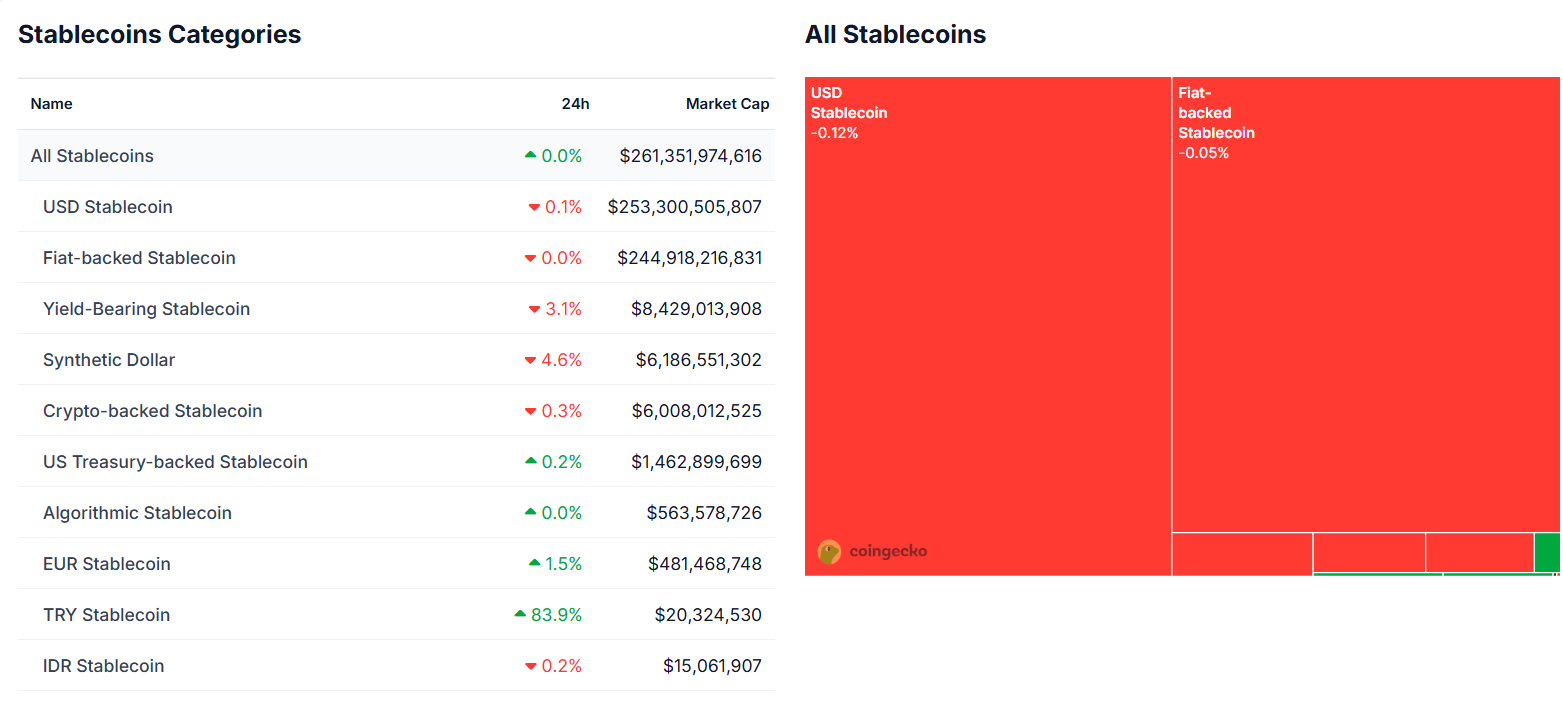
Globally, momentum around stablecoin regulation is building. In the U.S., the recent passage of the GENIUS Act marks a major step toward formalizing oversight of dollar-pegged stablecoins. These now dominate the $261 billion stablecoin market, accounting for more than $253 billion, according to data from CoinGecko.
As the global race to shape the future of digital currency continues, South Korea finds itself at a crossroads—balancing innovation with caution, and sovereignty with integration in a dollar-heavy crypto landscape.



