

As global financial systems evolve to integrate digital assets, the Bank of England’s Governor Andrew Bailey has made it clear: stablecoins issued by major banks are not the answer—at least not in the UK.
Bailey’s comments come amid rising interest from financial institutions and regulators worldwide to define the role of digital currencies in traditional banking. In a recent interview, the central bank chief expressed concerns over the potential risks stablecoins pose to financial stability, particularly when issued by large commercial banks.
Bailey’s Take: Why Stablecoins Pose a Risk
At the core of Bailey’s warning is a worry that widespread stablecoin adoption could reduce banks’ capacity to lend, thereby weakening a fundamental pillar of the banking system.
“If stablecoins take money out of the banking system, banks have less capacity to lend,” Bailey told The Times. He added that this could lead to disintermediation, reduced liquidity, and increased risk of sudden mass withdrawals during times of market stress—essentially, the ingredients for a modern bank run.
Rather than supporting private stablecoin initiatives, Bailey advocates for tokenized deposits—digital versions of money already held in bank accounts. He views this as a more stable path forward, preserving the essential credit-creating role of traditional banks while still modernizing infrastructure for digital payments.
A Growing UK–US Divide on Stablecoin Strategy
Bailey’s cautious approach diverges sharply from the direction being taken in the United States. Under President Donald Trump’s leadership, stablecoin adoption has become a core pillar of the administration’s pro-crypto agenda.
With the GENIUS Act gaining traction in Congress and private sector initiatives like the USD1 stablecoin—which now has a market cap of over $2.2 billion—the U.S. is actively encouraging the development of dollar-backed stablecoins under a regulated framework.
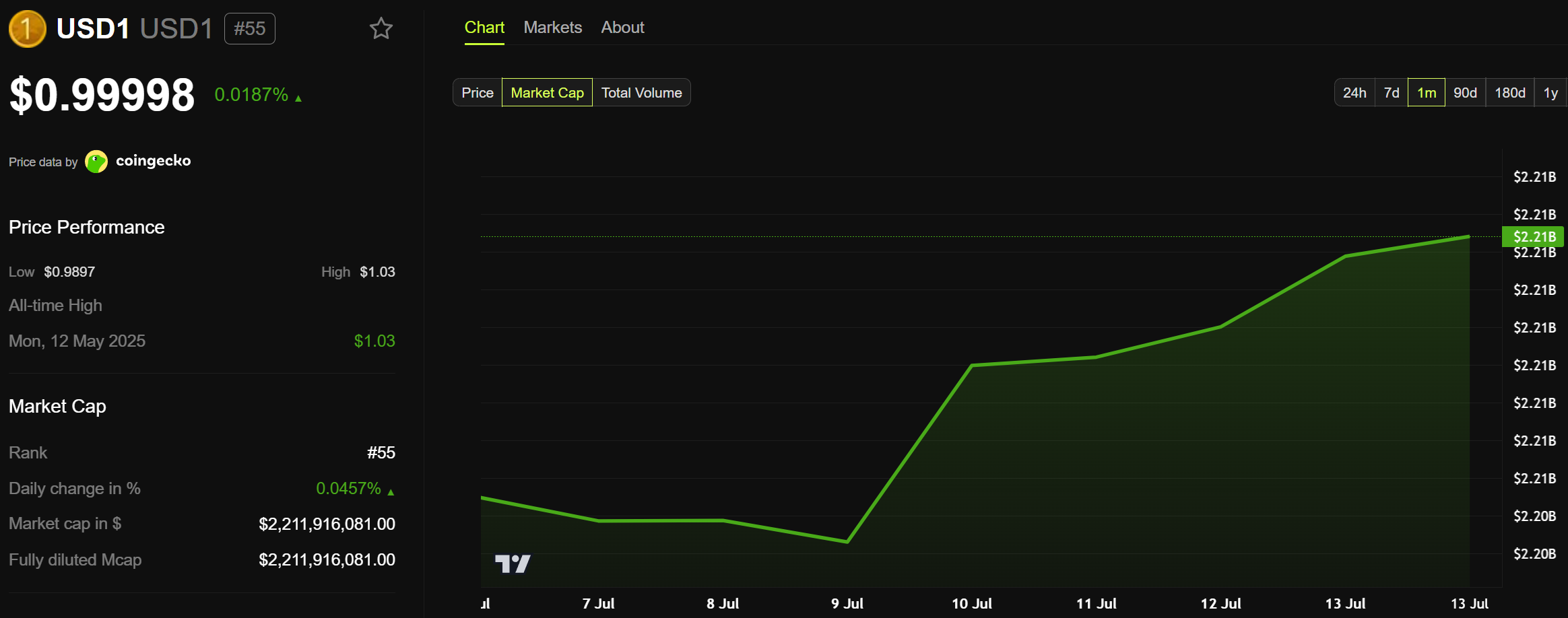
The UK, in contrast, is leaning into more conservative territory, emphasizing oversight, systemic risk mitigation, and alignment with traditional financial models. The MiCA regulations in Europe echo similar sentiments, aiming to curb the dominance of foreign-denominated stablecoins and promote euro-backed innovation instead.
Financial Crime and the Limits of Oversight
Bailey also pointed to financial crime risks as a key concern. With large sums moving across decentralized, private stablecoin networks, regulators may struggle to track and prevent illicit activities such as money laundering.
As chair of the Financial Stability Board (FSB)—a global body that monitors systemic financial threats—Bailey’s comments carry weight beyond the UK. He emphasized the need for effective supervision and compliance to prevent criminal exploitation of emerging digital asset networks.
What About a Digital Pound?
Interestingly, Bailey’s remarks also cooled expectations around the launch of a UK central bank digital currency (CBDC), or “digital pound.” Rather than pursue a digital currency issued directly by the BoE, he suggested that tokenizing commercial bank deposits might be more practical and less disruptive to the monetary system.
This would allow the UK to upgrade its payment rails without threatening the central role of banks in credit creation and economic growth.



