

Alibaba has rolled out a revamped version of its Qwen chatbot as it continues its push to compete with leading artificial intelligence platforms such as OpenAI’s ChatGPT. The updated app, which replaces the older Tongyi version, became available on major app stores late last week and is positioned as the primary gateway for users to try Alibaba’s newest Qwen models.
 Ann Cao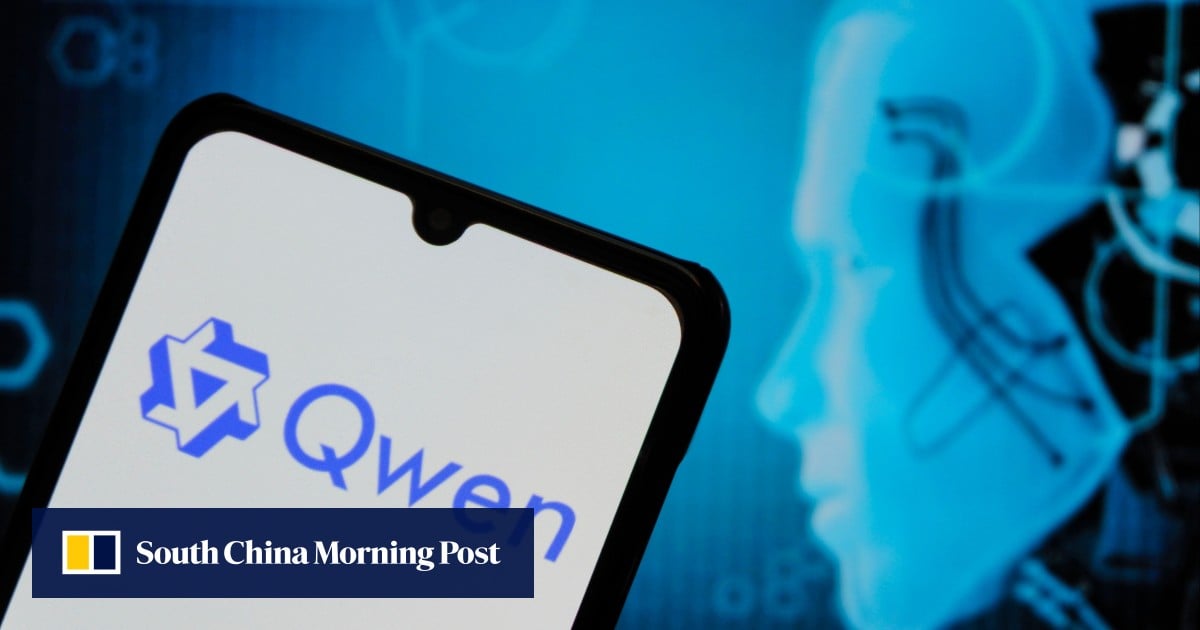
In its app-store listing, Alibaba describes Qwen as the company’s most capable AI assistant to date. Bloomberg reported that Alibaba also plans to add agent-style features designed to help shoppers navigate its e commerce platforms, including Taobao. The company did not comment further on the rollout.
Alibaba has spent the past two years expanding Qwen’s role within its broader AI strategy. Alongside rising Chinese model developers like DeepSeek and Moonshot AI, the company has become a central player in China’s push to build competitive, scalable AI systems. It has also embraced open-source development, making many of its models available for public use and adaptation.
That investment appears to be gaining traction. Alibaba said revenue from its AI products grew at triple-digit rates for the eighth straight quarter during the June period, signaling strong adoption across its customer base.
The update to Qwen arrives as Alibaba sharply reduces the price of its flagship Qwen3 Max model. According to the South China Morning Post, the trillion parameter system launched in September with some of Alibaba Cloud’s highest API prices. The company has now cut those rates nearly in half, bringing input costs down from US$0.861 to US$0.459 per million tokens and output costs from US$3.441 to US$1.836. Off peak batch tasks receive an additional 50 percent discount. The price move comes amid growing competition in China, where a wave of start ups including Moonshot AI, Zhipu AI, and MiniMax are releasing new models with aggressive pricing and performance claims.
Qwen3 Max has also earned attention for winning a cryptocurrency investment contest that compared top US and Chinese models, adding momentum to Alibaba’s marketing push.
China’s AI landscape has already seen several rounds of price battles, extending from foundation models to specialized tools like coding assistants. ByteDance’s cloud arm, Volcano Engine, recently introduced a coding agent for 9.90 yuan in its first month.
Start ups are experimenting with new ways to draw users as well. Moonshot AI — backed by Alibaba — offered access to its Kimi K2 Thinking model for as little as 0.99 yuan, even encouraging users to negotiate discounts with the chatbot itself. The promotion quickly went viral, though it also triggered issues when some users shared prompt manipulation tactics. Within hours, Moonshot said the model had begun “hallucinating,” prompting engineers to step in.
Alibaba’s recent advances have also attracted attention in the United States. Marketing specialist Tulsi Soni wrote that Silicon Valley is experiencing “Qwen panic,” reflecting rising recognition of Alibaba’s progress.
At the same time, the company has pushed back against allegations outlined in a White House memo reported by the Financial Times. The memo claimed Alibaba had provided technical support to China’s People’s Liberation Army, including access to certain customer data. The FT said it could not independently verify the document. Alibaba rejected the accusations, calling them “completely false” and part of a “malicious PR operation.” A spokesperson for the Chinese Embassy in the US also criticized the claims as unfounded.



