
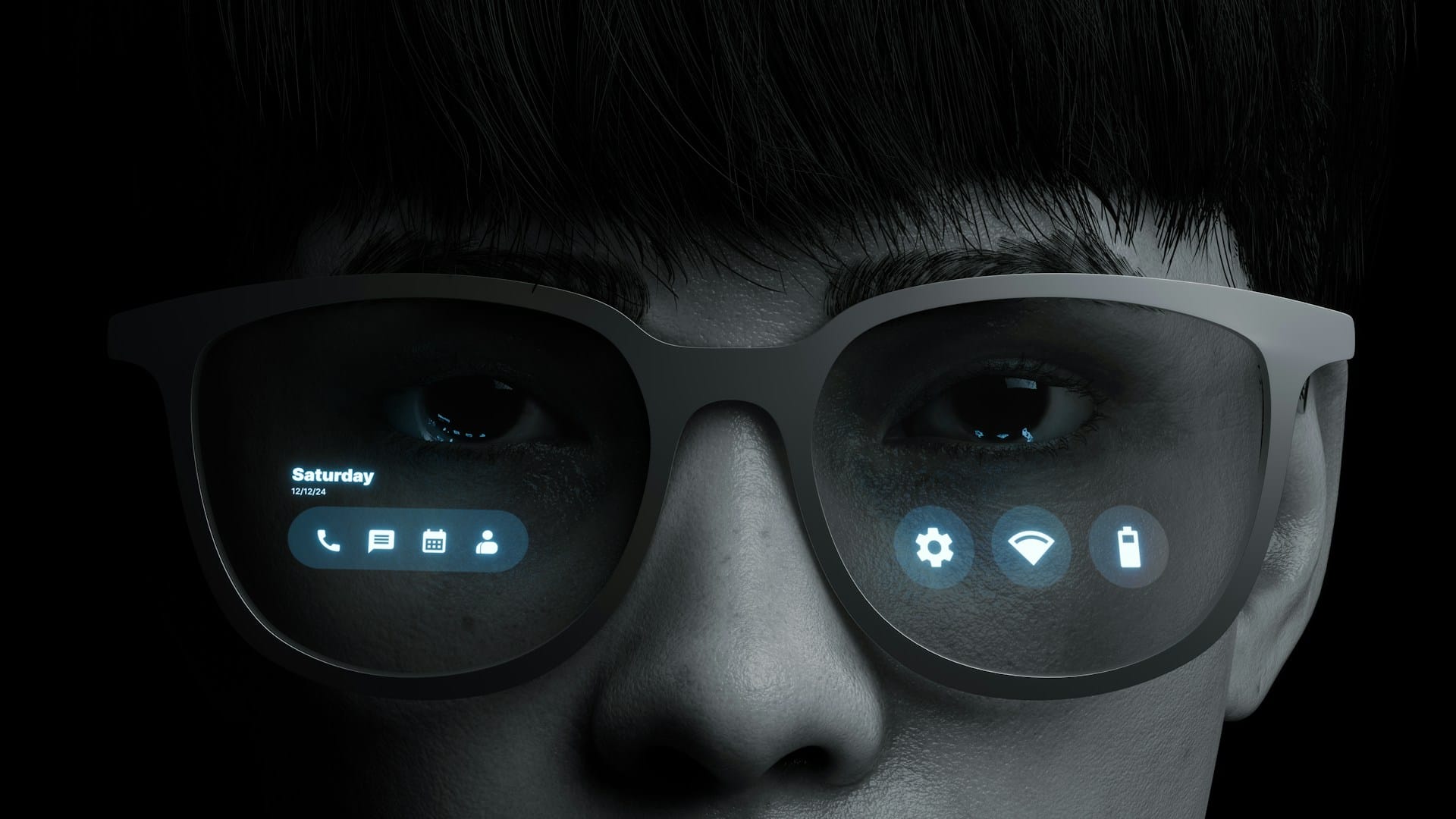
Alibaba is taking its first step into the wearable technology market with the upcoming Quark AI Glasses, a device powered by the company’s proprietary large language model, Qwen, and its AI assistant, Quark. Scheduled for launch in China by the end of 2025, the glasses are part of a broader $52.4 billion push into AI and cloud computing.
Quark, already available as a mobile app in China, will now be paired with hardware for the first time—positioning Alibaba alongside global competitors in the growing smart glasses sector. Existing market players include Meta’s Ray-Ban collaboration and Xiaomi’s recent model.
 Nagesh Nama
Features and ecosystem integration
The Quark AI Glasses will offer hands-free calling, music streaming, real-time translation, meeting transcription, and a built-in camera. Users will also be able to tap into Alibaba’s extensive ecosystem—navigating with its maps, making Alipay payments, shopping on Taobao, and booking travel through affiliated platforms.
While Alibaba has teased some features, it has yet to reveal pricing or technical specifications.
The human-powered AI behind the glasses
Devices like the Quark AI Glasses rely on advanced AI capabilities such as image recognition, contextual understanding, and natural language interaction. These systems are trained on massive amounts of labelled data—information reviewed and tagged by humans through “human-in-the-loop” (HITL) processes.
Henry Chen, co-founder of global data labelling firm Sapien, explained that HITL work is more than simple annotation. It involves judgement calls, resolving edge cases, and ongoing quality evaluation.
“Continuous feedback is what makes HITL work instead of one-off datasets,” Chen said.
Contrary to popular belief, HITL is not always low-skilled work. The growing demand for domain-specific AI has created opportunities for experts in fields like medicine, law, and science to provide specialised input. Sapien’s workforce spans 1.8 million contributors across 110 countries, using peer validation and contributor reputation tracking to maintain accuracy.
China’s growing role in AI
China’s AI industry is expanding rapidly, with demand for data labelling now rivaling the US. While the regulatory environment differs, the types of AI projects increasingly mirror those seen globally. Chen noted that Sapien uses on-chain technology for transparent payments and relies on remote operations to focus on rewarding contributors for the value they deliver.
Despite advances in automation, Chen believes humans will remain vital for work involving cultural nuance, rare languages, niche expertise, and sensitive projects requiring strict compliance measures such as GDPR and HIPAA. As self-supervised learning advances, he expects human contributors to shift towards more specialised roles, including synthetic data evaluation and AI performance auditing.
The bigger picture
Alibaba’s move into smart glasses is about more than launching a new gadget—it signals the company’s vision of merging hardware, software, and human expertise. Products like the Quark AI Glasses showcase how AI is transitioning from background infrastructure to everyday consumer experiences.
Behind the sleek frames is a complex chain of engineers, data specialists, and human reviewers ensuring the AI works as intended. As AI-driven wearables become more common, the role of human input—though evolving—remains a crucial factor in delivering reliable, intelligent devices.



