
At London’s Zebu Live conference, industry leaders agreed on one thing: the crypto wallet of the future won’t just store assets — it will think, assist, and simplify. In a panel titled “The Smartest Wallet Wins,” executives from Base, Rhinestone, Zerion, and Askgina.ai outlined how artificial intelligence (AI), smarter design, and seamless user experiences are set to bring crypto to the mainstream.
From Seed Phrases to Seamless Access
Rhinestone CEO Kurt Larsen said the industry has made major strides in improving the onboarding process, moving away from complicated seed phrases toward “embedded wallets” and smart accounts with recovery tools that feel more like everyday apps. These updates, he explained, “abstract away the key management side of things,” often using passkeys and familiar security options like two-factor authentication.
Still, Larsen noted that adoption remains early, as many blockchain networks are only beginning to roll out account abstraction features. Projects like MetaMask, Uniswap, and Rainbow are gradually introducing support to make wallet creation and recovery less intimidating for new users.
Smarter Wallets, Lower Friction
Evgeny Yurtaev, CEO and co-founder of Zerion, said developers are working to reduce friction without sacrificing flexibility. Smart wallets, he explained, now support advanced features such as gas abstraction, transaction batching, and multi-chain interoperability, allowing users to move assets more efficiently.
However, he cautioned that fragmentation remains a major challenge, as liquidity and app support are spread across multiple blockchains. Rhinestone, he added, is tackling this through intent-based architecture — where users sign a single action and “solvers” handle liquidity and settlement behind the scenes.
“Everything else is managed under the hood,” Larsen said.
Base Bets on Usability and Social Experiences
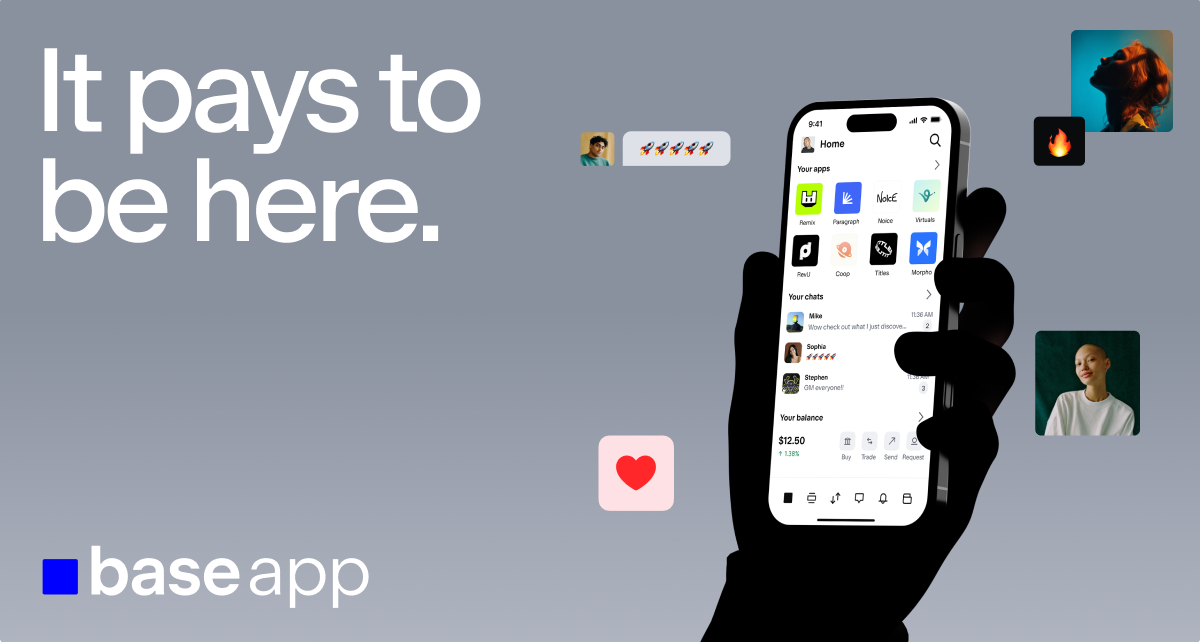
Clemens Scherf, who leads Base operations in the UK and Western Europe, said the Coinbase-backed Ethereum Layer 2 network has made wallet usability its top priority. Earlier this year, Coinbase integrated its Wallet team into Base to develop a new “Base app”, designed for simple, mobile-first, and social use.

“The entry point to every single application in the Web3 space will always be a wallet,” Scherf said.
The app — currently in beta — includes messaging, AI assistants, and mini-apps, aiming to make Web3 interactions feel as intuitive as using a social media or banking app. Public release is expected in the coming months.
AI Turns Wallets into Proactive Agents
For Sid Shekhar, founder of Askgina.ai, AI represents the biggest leap forward. He envisions wallets that don’t just respond to commands but anticipate user needs.
“We’re building an AI interface onchain to make your wallet work for you,” he said.
Shekhar described pilots where users executed their first blockchain transactions simply by typing natural language prompts. Advanced users can already deploy commands that trigger multiple trades or rebalance portfolios across assets — tasks that would otherwise require complex manual steps. Askgina is also testing automated “recipes” that execute actions based on real-time market or social conditions.
The Road to the ‘Super App’ Era
Panelists agreed that wallets are evolving into all-in-one digital hubs — identity layers, financial dashboards, and communication tools rolled into one. Larsen compared them to banking or social apps built on blockchain rails, while Scherf highlighted how fintech and crypto are converging.
In the West, fintech firms are adding social functions, while major social networks are integrating payments — a convergence Base plans to capitalize on with its new app.
As crypto becomes easier to use and more integrated into daily life, users may no longer think about gas fees, key management, or bridging assets. They’ll simply expect their wallets to “just work.” And as the panel concluded, in the next chapter of Web3, the smartest wallets — those combining AI, usability, and trust — will win.



