

An artificial intelligence system has executed a payment inside a live European banking network. The transaction marks the first confirmed case of an AI agent initiating and completing a payment within regulated financial infrastructure.
The test signals how banks may integrate autonomous software into payment flows while maintaining regulatory controls. It also highlights early progress toward “agentic payments,” where software systems can act on behalf of customers within predefined limits.
Banco Santander and Mastercard confirmed the pilot Wednesday. The payment ran through Santander’s production network using Mastercard’s Agent Pay framework, which registers AI agents as participants in the payment process.
The system operated under strict governance and compliance rules. Bank-defined permissions allowed the AI agent to initiate, authorize, and complete the transaction without a human issuing the final command.
Can AI Agents Safely Execute Payments?
Payment networks remain among the most tightly regulated digital infrastructures. Any system that initiates transactions must pass identity verification, fraud screening, and compliance checks required by financial authorities.
Embedding AI inside that framework presents new operational questions. The pilot therefore tested whether automated actors could complete a transaction without bypassing the safeguards that protect everyday banking activity.
The scale of modern payment infrastructure underscores the challenge. According to independent reporting, Mastercard processes nearly 160 billion transactions annually across its global network.
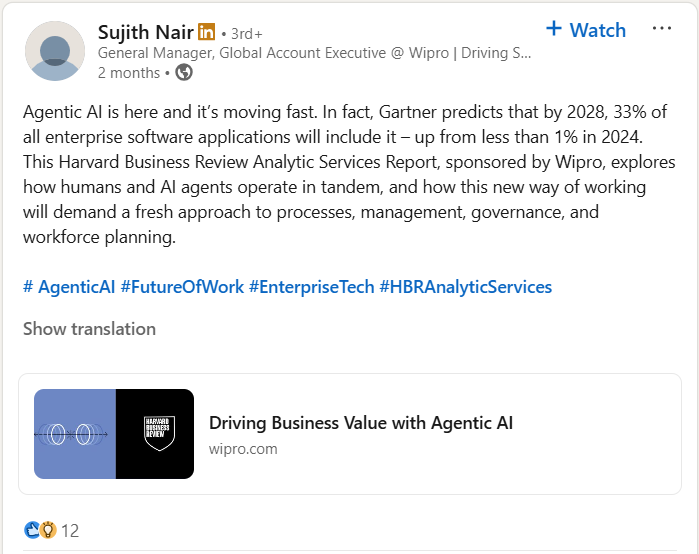
Industry forecasts suggest the broader shift toward autonomous systems is accelerating. Research from Gartner estimates that about 33% of enterprise software applications will include agentic AI by 2028, up from less than 1% today.
Still, the companies emphasized that the test remains experimental.
“Our role is not only to adopt innovation, but to shape it responsibly, embedding security, governance and customer protection by design,” said Matías Sánchez, global head of Cards and Digital Solutions at Santander.
Mastercard framed the pilot as an extension of its existing payments architecture. Kelly Devine, president of Mastercard Europe, said the system applies the same principles of security and interoperability used across the company’s network.
Yet a central question remains: if software can authorize transactions autonomously, who ultimately carries responsibility when an AI agent makes a mistake?
For now, the pilot remains confined to controlled testing. The next milestone will be regulatory engagement and expanded trials as banks evaluate whether autonomous payment agents can operate safely at scale.



