
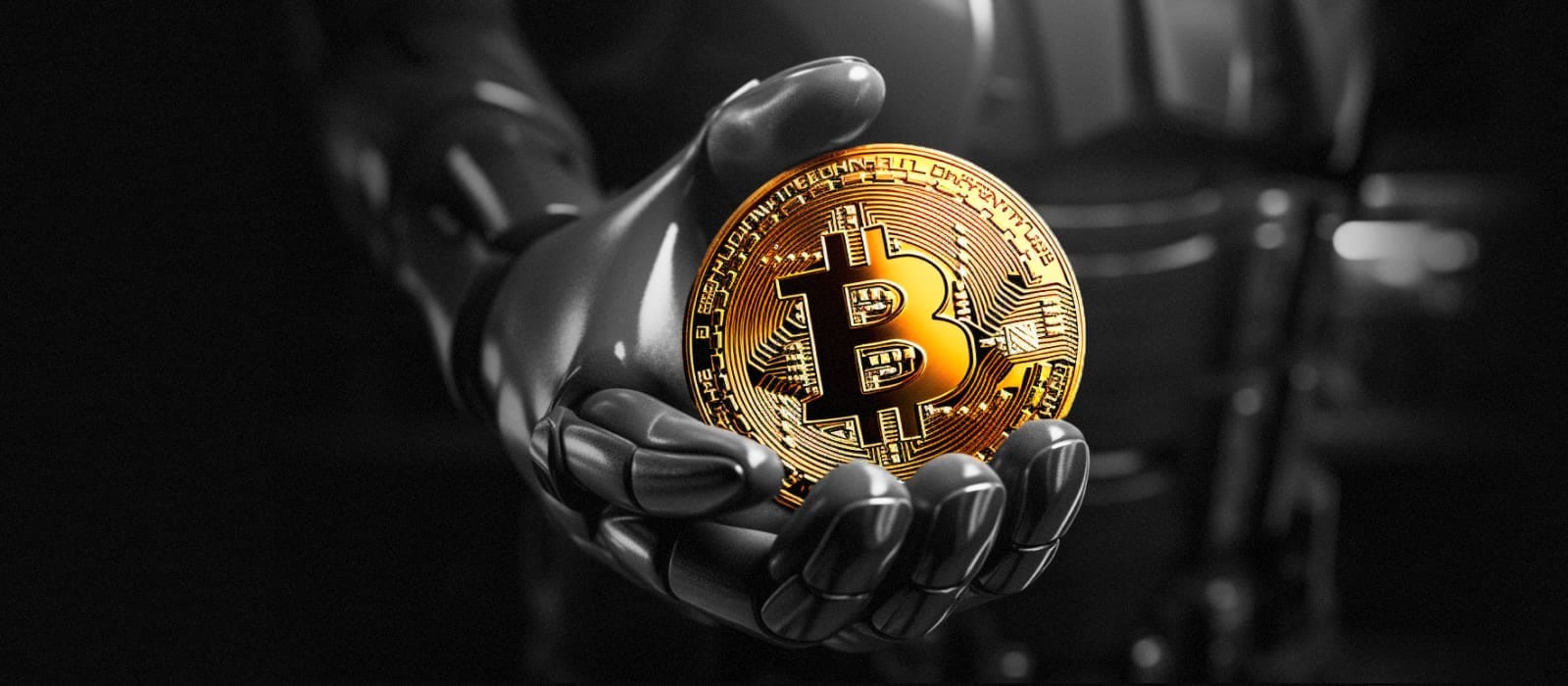
It's one of the most exciting collisions in modern technology: the world of Artificial Intelligence (AI) merging with the decentralized universe of cryptocurrency and blockchain. This isn't just a futuristic concept; AI is already transforming how we trade, secure, and regulate digital assets.
Why is this pairing so potent? Because the crypto space generates a massive amount of data—every transaction, every block, every price movement is recorded. AI excels at processing and finding patterns in huge datasets, which makes it the perfect digital partner for crypto.
Let's look at where AI is bringing the most value to the digital asset world today.
Trading and Predictions: Beyond Human Speed
For many, the first thought that comes to mind when pairing AI and crypto is trading. And they’d be right.
Algorithmic Trading Bots
Automated trading bots have been around since 2017 (think platforms like CryptoHopper and 3Commas), but they’ve become far more sophisticated with AI. These programmable software agents execute trading strategies based on complex parameters, allowing for:
- Blazing Speed: Bots can analyze a huge volume of historical market data and execute thousands of trades per second—a speed and scale impossible for any human trader.
- Zero Emotion: Unlike people, bots stick to the plan, removing the risk of emotional, panic-driven trading errors.
A Critical Warning: While powerful, bots aren't foolproof. They only follow the strategy they were programmed with. If market behavior suddenly deviates wildly from the expected pattern, the bot will continue its programmed actions, potentially leading to unintended losses. That’s why rigorous backtesting (testing the strategy on historical data) is absolutely essential before you deploy any bot.
The Power of Predictive Analytics
AI’s ability to crunch numbers has given rise to robust predictive analytics. AI algorithms don't just look at historical price movements; they also gather sentiment data by parsing news publications, social media chatter, and online forums.
By modeling future market scenarios based on a synthesis of on-chain data (wallet activity, transactions) and off-chain data (social mood), investors gain valuable insights. While this segment is still evolving—and the accuracy of some models can be questionable—the potential for better-informed trading and risk management strategies is enormous.
Strengthening Crypto Security and Compliance
Perhaps the most critical, often overlooked, application of AI is in fortifying the very foundations of the crypto ecosystem.
Real-Time Fraud and Theft Detection
Since public blockchains are largely pseudonymous, tracing bad actors after a theft is incredibly difficult. Because blockchain transactions are immutable (cannot be reversed), prevention is key.
This is where AI shines:
- Live Scanning: AI compliance tools can scan blockchain transaction activity in real time, rapidly identifying suspicious wallets, unusual flow patterns, and fraudulent transactions.
- Adaptive Learning: These algorithms constantly learn from new techniques used by hackers and fraudsters, enabling an ever-faster response to security threats.
- Smart Contract Audits: AI is increasingly used in code audits to quickly parse complex smart contract programming, identifying vulnerabilities that human auditors might miss, thereby preventing a hack before it even happens.
Easing Regulatory Burdens
For centralized exchanges and financial institutions dealing with crypto, compliance is a massive operational headache. AI is already extensively used in areas like Know-Your-Customer (KYC) checks, scanning identity documents for anomalies and ensuring all regulatory parameters (age, residency, etc.) are met quickly and accurately, significantly reducing the human workload.
AI Tokens: The Market Segment Itself
The convergence of these two fields has even created a distinct segment of the digital asset market: AI tokens. These cryptocurrencies represent projects built around decentralized AI, such as AI trading platforms, decentralized data marketplaces, or digital rendering networks (like Render, RNDR). These tokens typically have utility, being used to pay platform fees, access services, or participate in governance and staking.
Ultimately, AI offers the much-needed scalability and efficiency that the crypto world needs to mature. As the technology continues to develop, we should expect AI to become the standard operational layer for everything from major trading desks to individual wallet security.



