
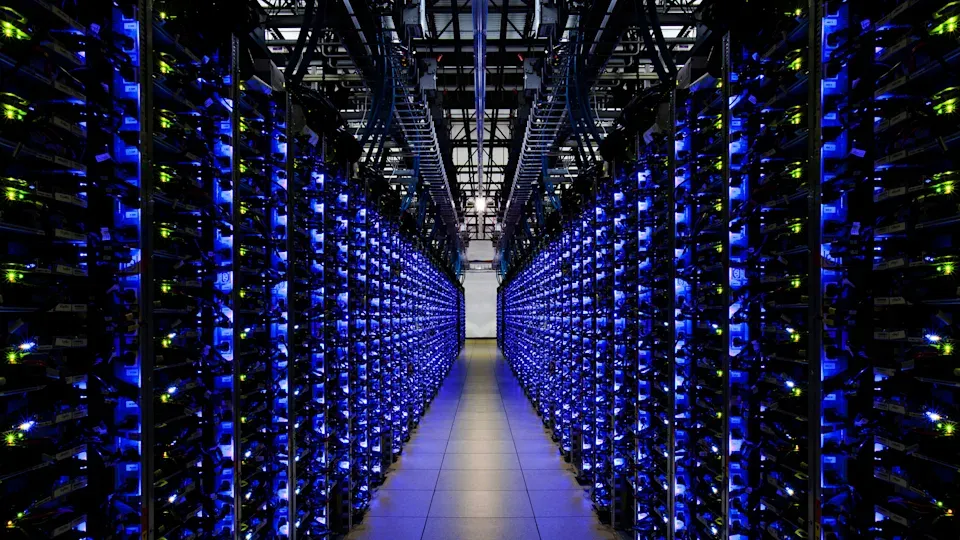
The race to build the backbone of artificial intelligence is accelerating at breakneck speed, with credit markets pouring billions into new data centers and technology hubs. Yet as investment surges, industry experts warn that returns may not keep pace, sparking concerns of a potential bubble reminiscent of past tech booms.
Major banks are playing a central role. JPMorgan Chase and Mitsubishi UFJ Financial Group recently backed a loan exceeding $22 billion for Vantage Data Centers’ new campus. Meanwhile, Meta secured $29 billion in funding from Pacific Investment Management and Blue Owl Capital to construct a massive AI facility in rural Louisiana.
The scale of ambition is only growing. OpenAI has projected it will need trillions of dollars in the coming years to sustain infrastructure for advanced AI services. But skeptics argue that such optimism could mirror the overbuilding seen during the dot-com era. OpenAI CEO Sam Altman himself has cautioned that the industry’s investment frenzy carries risks, while a recent MIT report revealed that 95% of corporate generative AI projects remain unprofitable.
Unlike earlier phases of tech expansion, today’s AI buildout is increasingly funded by private credit and bond markets rather than just big tech balance sheets. According to UBS, private credit financing for AI is running at $50 billion per quarter, sometimes surpassing public market funding. Commercial mortgage-backed securities tied to computing hubs are also climbing, up 30% year-over-year.
This rapid growth brings risks for supporting sectors, particularly utilities racing to meet soaring power demands. “Data center deals are 20 to 30-year fundings for a technology that we don’t even know what it will look like in five years,” noted Ruth Yang of S&P Global Ratings. Rising reliance on payment-in-kind loans, now at their highest levels since 2020, further underscores the financial strain.
Still, momentum remains strong. “Direct lenders are constantly raising capital, and it has to go somewhere,” said John Medina of Moody’s. “They see these hyperscalers, with this massive capital need, as the next long-term infrastructure asset.”
As AI reshapes industries and societies, the flood of investment underscores both promise and peril. While credit markets are fueling the construction of tomorrow’s digital foundations, investors and innovators alike face a pressing reminder: sustainable growth will depend on delivering proven value—not just bold bets.



