
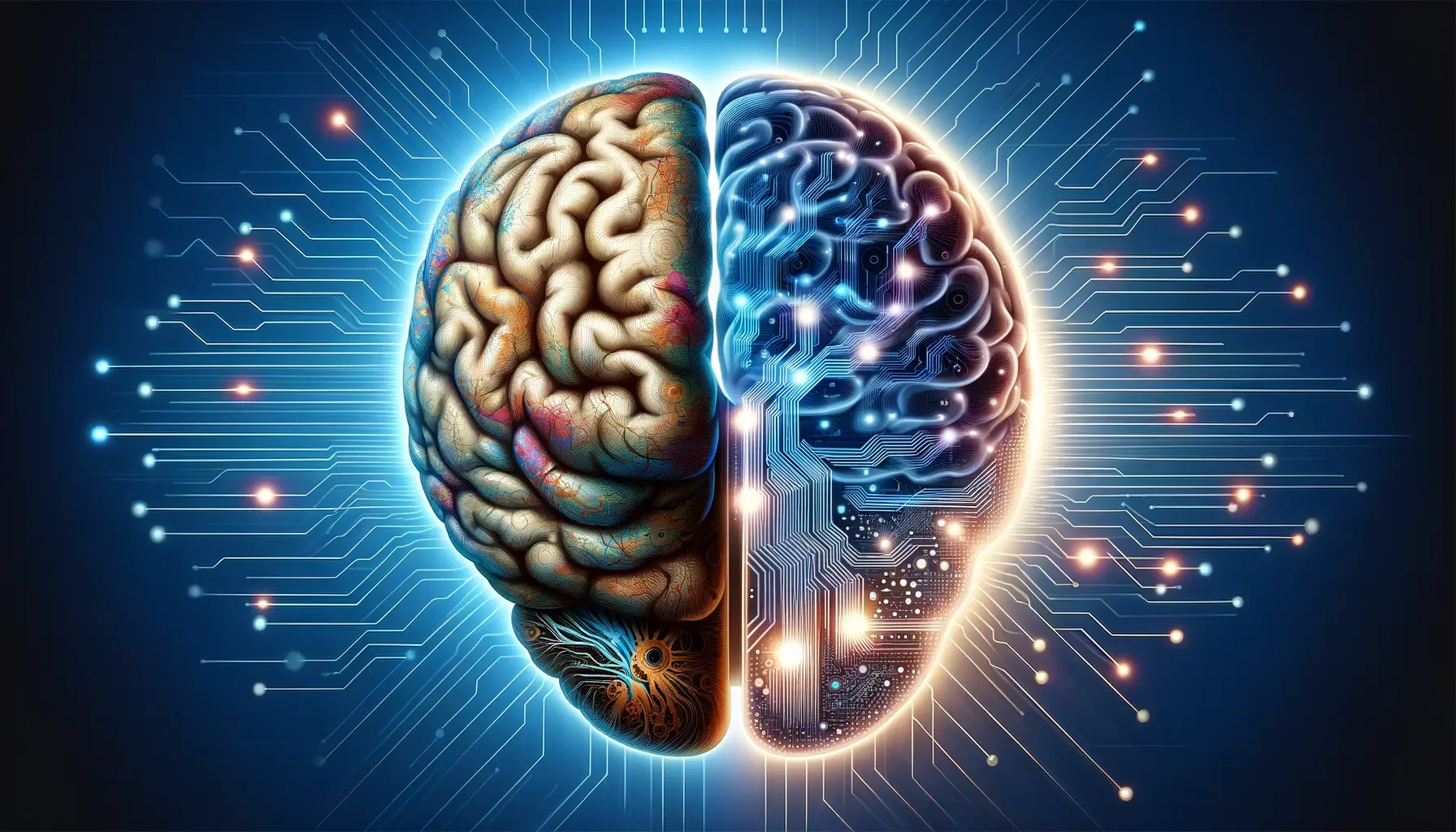
The rise of artificial intelligence has transformed how we create written content. From marketing copy to academic essays, AI can now produce clear, structured, and grammatically correct text in seconds. But while these tools are fast and impressive, they often lack something essential — the warmth, personality, and emotional connection that only human writing tends to capture. That’s where the concept of “AI humanisers” comes in.
What Are AI Humanisers?
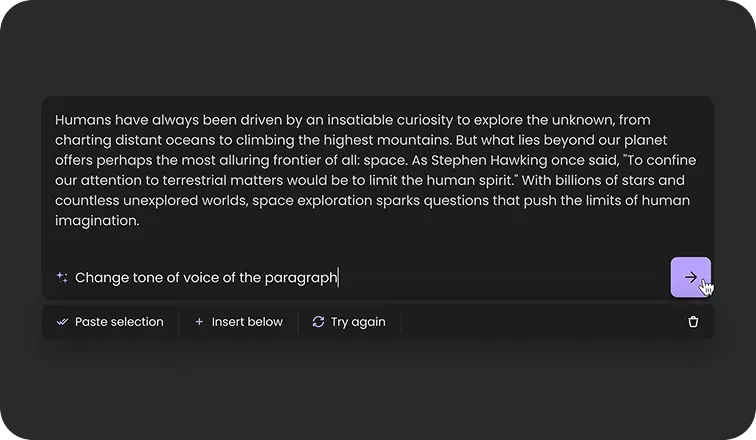
AI humanisers are advanced tools designed to take machine-generated text and make it sound more natural and authentic. They work by identifying and smoothing out common AI “tells” — repetitive phrasing, flat tone, or overly formal language. Through algorithms that adjust sentence variation and word choice, these systems aim to give text a more human rhythm and emotional tone.
Such tools can be useful across different fields: making AI-written essays easier to read, refining business communications to fit a brand’s voice, or optimizing SEO content without losing readability. They act as a bridge between raw AI output and something closer to what a skilled writer might produce.

What Human Editors Do Differently
Human editors, however, offer something AI still can’t replicate — intuition and empathy. Editing isn’t just about fixing grammar or rearranging words; it’s about understanding the message, the audience, and the subtle emotional cues that make writing resonate.
A human editor can:
- Add creative flair: Infuse writing with original phrasing, humor, or metaphor.
- Read between the lines: Catch implied meanings, emotional undertones, and narrative rhythm.
- Respect context: Adapt tone and structure for cultural, social, or regional nuances.
- Shape voice: Build a consistent, recognizable style for a brand or author.
- Think strategically: Ensure the text aligns with broader goals — whether academic credibility, brand trust, or audience engagement.
Comparing AI Humanisers and Human Editors
| Aspect | AI Humanisers | Human Editors |
|---|---|---|
| Speed | Instant output, great for quick drafts. | Slower, involving deep reading and revision. |
| Cost | Affordable; often subscription-based. | Higher investment reflecting expertise and time. |
| Consistency | Extremely consistent in tone and structure. | Slightly variable due to human interpretation. |
| Depth | Focused on surface-level flow and syntax. | Engages with meaning, logic, and intent. |
| Creativity | Can simulate variety, but limited by data. | Draws from genuine imagination and cultural awareness. |
AI humanisers are efficient for producing large volumes of decent-quality content quickly, while human editors remain essential for nuance, emotion, and impact.
Choosing the Right Approach
Use AI humanisers when:
- You need to quickly clean up AI drafts or social posts.
- The content is informational rather than emotional.
- You’re working under tight deadlines or limited budgets.
Rely on human editors when:
- Crafting content that carries brand voice or storytelling depth.
- Handling sensitive, complex, or persuasive topics.
- Preparing work for publication, funding, or major audiences.
The Best of Both Worlds
Many professionals now use a hybrid workflow — AI for the first pass, and humans for the final touch. AI tools handle structure, grammar, and readability, freeing human editors to focus on creativity, strategy, and emotional tone. This combination delivers both efficiency and quality — the speed of technology and the soul of human storytelling.



