
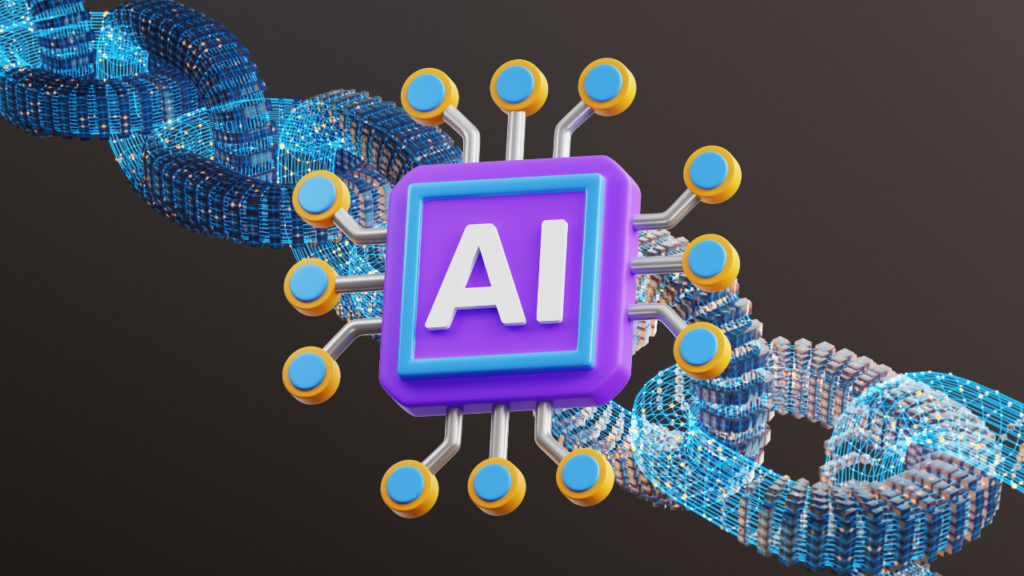
Artificial intelligence is reshaping everything—from how we work to how we live. But behind the convenience and progress lies a growing concern: centralization. Right now, the AI systems many of us interact with daily—like ChatGPT, Google Gemini, or Claude—are powered by vast, centralized server farms owned by just a few tech giants.
That structure creates serious risks. If a single data center goes offline or gets hacked, hundreds of applications could go down with it. What’s more, this setup concentrates control over AI in the hands of a few corporations, giving them the power to decide who gets access, at what cost, and under which rules.
And when AI is run from one jurisdiction, it becomes subject to local regulations that may not reflect the values or privacy expectations of global users. As a result, innovation becomes gated, and transparency suffers.
That’s where AI blockchains come in—with a different model built on openness, fairness, and decentralization.
What Is an AI Blockchain, Really?
At its core, an AI blockchain combines two powerful technologies:
- Artificial intelligence, which enables machines to learn and make decisions
- Blockchain, a decentralized ledger that ensures transparency and trust
Together, they offer a way to run AI applications on shared infrastructure, with no central authority, more democratic control, and built-in accountability.
Let’s break down what that looks like in practice.
Key Features of AI Blockchains
Transparent Data Attribution
AI doesn’t work without data—but in centralized systems, that data is often scraped and used without consent. AI blockchains flip that. Using mechanisms like proof-of-attribution, these networks track where data comes from and automatically reward its creators.
Projects like OpenLedger show this in action, using tokens to compensate users when their data contributes to an AI model’s output. That creates a fairer system, where contributors are part of the value chain.


Built-In Monetization and Royalties
Imagine asking an AI a question, and it uses a blog post from Medium to form its answer. In an AI blockchain environment, that interaction gets logged, and the original writer is automatically paid through smart contracts.
This sets the stage for a new kind of creator economy, where people build and share high-quality data and get compensated every time it’s used.
Open and Collaborative Model Development
Decentralized AI isn't just about running models—it's about building them together. Instead of closed labs, AI blockchains enable open development cycles. Proposals, training, updates—everything is on-chain and community-governed, with token holders voting on key decisions.
This supports a more inclusive AI landscape, where anyone can help shape the tools being built.
Decentralized Compute Power
Running large AI models typically requires powerful (and expensive) infrastructure. Platforms like Render Network solve this by pooling idle GPUs from users around the world.
Rather than relying on centralized data centers, developers tap into this distributed network at lower cost—while contributors earn rewards for sharing their resources.
OpenLoRA, another project, allows hundreds of fine-tuned models to run in parallel on a single GPU block, massively improving efficiency and accessibility.
AI blockchains offer a more democratic path forward. They’re not about rejecting AI, but reshaping how it’s built, governed, and shared. By putting power back in the hands of users, they open the door to global collaboration, safer innovation, and a broader distribution of economic benefits.



