
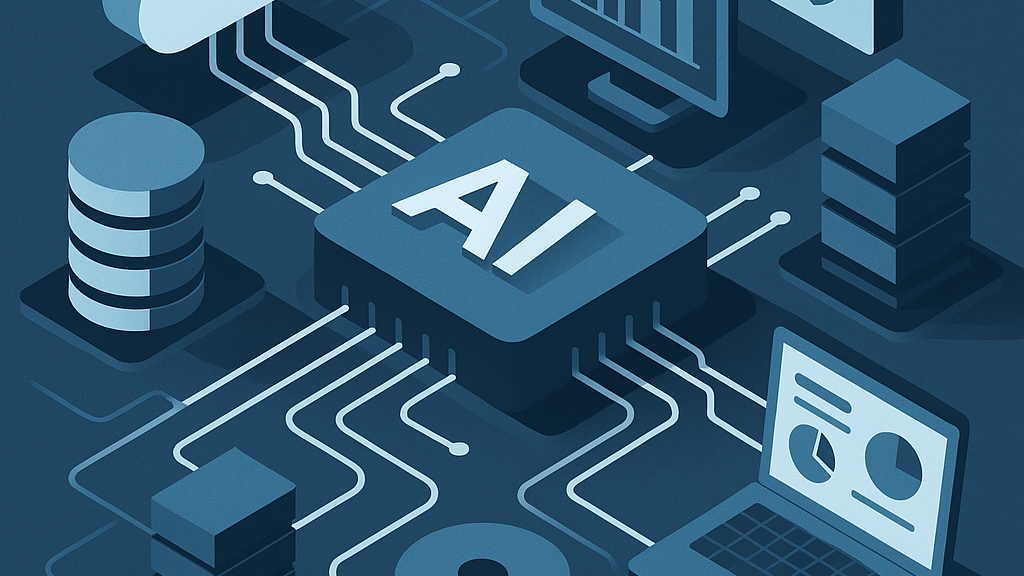
As businesses look to improve efficiency without expanding headcount, many CIOs are turning to artificial intelligence to modernize IT operations. A new SolarWinds study shows that AI tools are helping companies fix technical issues faster, save significant costs, and free up time for more strategic work.
AI Turns IT Support into a Strategic Advantage
For years, IT teams have relied on automation and self-service portals to speed up problem resolution. Now, AI is adding a new layer of intelligence — helping teams automatically suggest ticket responses, surface relevant knowledge base articles, and summarize issues for faster troubleshooting.
SolarWinds analyzed over 2,000 IT systems and 60,000 data points between August 2024 and July 2025, offering one of the clearest pictures yet of how AI is reshaping IT support.


The findings show a dramatic improvement in response times. Before implementing AI, it took companies an average of 27.42 hours to resolve an issue. After adopting AI, that dropped to 22.55 hours — a 17.8% improvement, saving about 4.87 hours per ticket.
The Business Impact of Faster Problem Resolution
These time savings can translate into major financial gains. For a mid-sized IT team handling 5,000 support requests annually, those 4.87 hours per ticket add up to 24,350 hours saved each year. At an estimated labor cost of $28 per hour, that’s roughly $680,000 in potential savings.
But the benefits go beyond cost reduction. By spending less time on routine troubleshooting, IT teams can focus more on preventing issues before they happen — transforming IT from a reactive help desk into a proactive business enabler.
The contrast between AI adopters and non-adopters is stark. Organizations using AI tools fix issues in about 22.55 hours, while those without AI average 32.46 hours — a 30.5% gap, or nearly 10 hours saved per problem.
What Sets Top AI Adopters Apart
SolarWinds identified a “Top 10 AI Adopters” group — companies that achieved the biggest efficiency gains. These organizations cut their average resolution times from 51 hours to just 23 hours, a reduction of more than half.
Their success wasn’t driven by technology alone. According to the report, these companies fully integrated AI into their daily workflows rather than treating it as a side experiment. They also embraced a strong foundation of automation, self-service, and continuous improvement, ensuring AI complemented existing best practices instead of replacing them.
Making AI Work for Your IT Team
For IT leaders considering AI, the report offers several key takeaways:
- Assess your baseline: Know your current resolution times. If you’re near the industry average of 32.46 hours, you have clear room for improvement.
- Integrate, don’t isolate: AI delivers the best results when it’s embedded into everyday processes, not deployed as a pilot project.
- Strengthen your foundation: AI thrives on clean data, clear workflows, and a culture of automation. Review your knowledge bases and ticketing rules before rolling out AI.
- Calculate the ROI: Multiply your annual ticket volume by the average savings of 4.87 hours per issue to estimate potential time and cost benefits.
From Fixing Problems to Preventing Them
The message from the SolarWinds study is clear: AI isn’t a silver bullet, but when combined with strong processes and a culture of improvement, it can transform how IT operates.
As more companies adopt AI-driven tools, the gap between proactive and reactive IT teams is widening. Those that embrace AI early are finding themselves not just solving problems faster — but helping their organizations move forward smarter.



