

Aave V4 has gone live on Ethereum mainnet after more than two years of development, introducing a redesigned architecture for decentralized lending. The release marks a structural shift aimed at scaling liquidity across multiple markets while tightening risk controls at the protocol level.
The upgrade centers on a “hub-and-spoke” model, where liquidity is concentrated in core hubs and allocated to separate lending environments, or spokes, with distinct parameters. At launch, three hubs—Prime, Core, and Plus—define varying risk profiles, while early spokes include integrations with Lido, EtherFi, Ethena, and other onchain applications. Deployment remains controlled, with permissionless market creation not yet enabled.
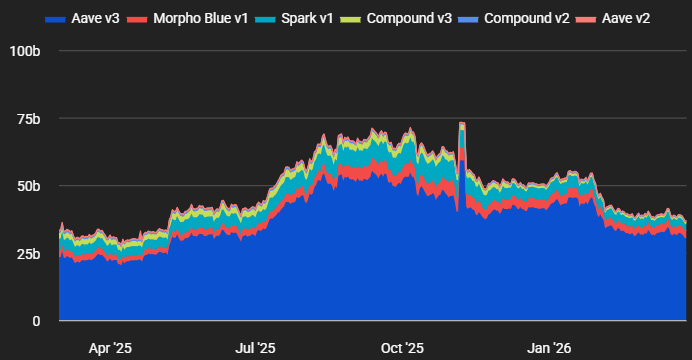
Can Modular Lending Unlock Institutional Credit Demand?
The new architecture is designed to address liquidity fragmentation, a persistent constraint in decentralized finance (DeFi). Under prior models, each market required separate liquidity pools, limiting efficiency. By contrast, V4 allows multiple lending use cases to draw from shared capital while maintaining isolated risk exposure, improving capital allocation.
This shift comes as institutional interest in onchain credit structures increases, particularly in areas such as tokenized assets and fixed-rate lending. Competing protocols have explored similar segmentation, but Aave’s approach combines shared liquidity with granular collateral pricing, a combination not widely implemented at scale. Could this model finally bridge DeFi liquidity with real-world credit demand?
“We’re aiming for a controlled launch,” said Stani Kulechov, CEO of Aave Labs, noting that previous versions followed a similar phased rollout.
He added that each spoke receives a capped credit line from its hub, limiting systemic exposure while enabling new use cases to onboard incrementally. The design allows borrowing costs to reflect specific collateral risk more precisely.
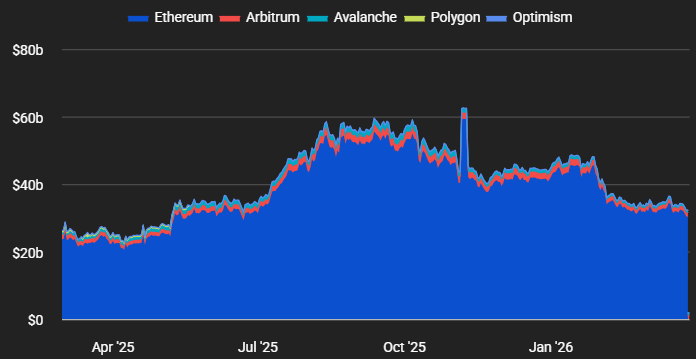
Security remains a core focus, with over a year of testing and eight months dedicated to hardening infrastructure before launch. The protocol also introduces a reinvestment module that deploys idle liquidity into predefined low-risk strategies, alongside deeper integration of the GHO stablecoin and support for new collateral types, including NFTs and data-backed assets.
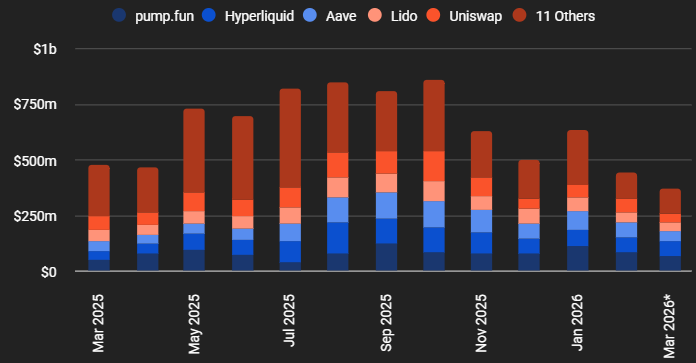
Still, the next catalyst will be whether Aave V4 can generate sustained borrowing demand, particularly from institutional participants, as governance weighs phasing out V3 in favor of the new system.



