

A long-simmering governance debate within the Aave ecosystem has escalated after Aave Labs moved a controversial proposal on brand ownership to a formal Snapshot vote, drawing sharp criticism from parts of the community and reigniting broader concerns about decision-making inside the AAVE DAO.
The proposal, officially titled “ARFC $AAVE token alignment. Phase 1 – Ownership,” aims to clarify who ultimately controls Aave’s brand assets. These include domains, social media accounts, naming rights, developer repositories such as GitHub organizations, NPM namespaces, and other key channels currently managed by Aave Labs, BGD Labs, and affiliated contributors. Under the plan, ownership would be explicitly assigned to AAVE token holders through the DAO, alongside safeguards designed to prevent capture, establish DAO-controlled legal structures, and enforce remedies if assets are misused or withheld.
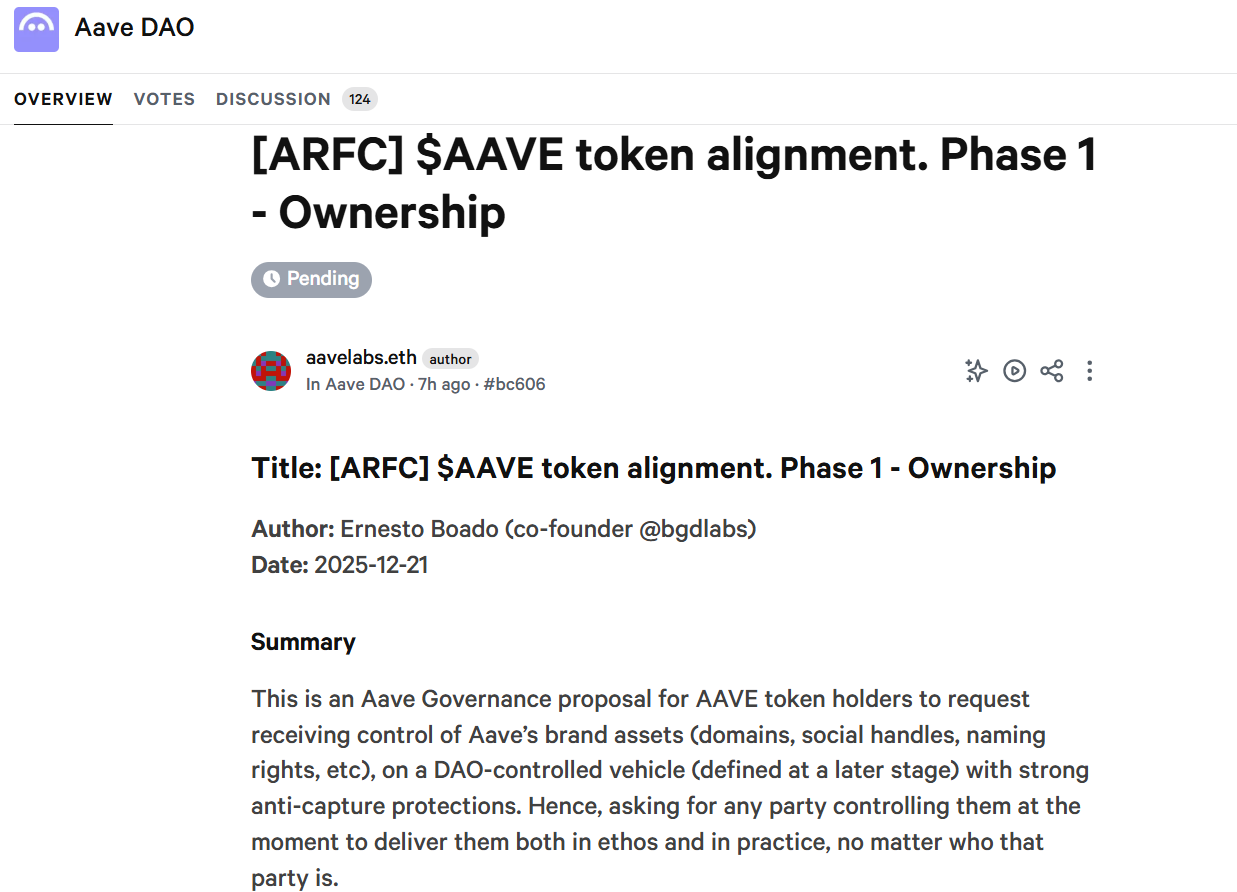
Aave founder Stani Kulechov defended the decision to advance the proposal, saying on X that it followed “extensive discussion” and that the community was ready to make a decision. Voting is scheduled to open on Dec. 23. Aave Labs echoed that view in its forum announcement, arguing that several days of active debate justified moving toward a formal vote to provide clarity and allow the ecosystem to refocus on development.
The recent DAO alignment proposal has been moved to Snapshot after extensive discussion. We realize the community is very interested in a path forward and is ready to make a decision.
— Stani.eth (@StaniKulechov) December 22, 2025
Time for tokenholders to weigh in and vote.https://t.co/QwoPeglhmU
Instead of settling the issue, the move has intensified internal divisions.
The proposal’s original author, Ernesto Boado, a former Aave Labs CTO and co-founder of BGD Labs, said the version pushed to Snapshot did not reflect his intent or expectations. In a public post, Boado accused Aave Labs of submitting the proposal unilaterally, without informing him and while community discussion was still ongoing. He said he would not have approved the timing and urged token holders to abstain or avoid participating to prevent legitimizing what he described as a rushed escalation.
To be very clear:
— Ernesto (@eboadom) December 22, 2025
- This is not, in ethos, my proposal. Aave Labs has (for whatever reason) unilaterally submitted my proposal to vote in a rush, with my name on it, and without notifying me at all. If asked, I would not have approved it.
- It was not my intention to submit the… https://t.co/JTWoMMNcQc
Boado also pushed back on the idea that debate had run its course, arguing that open-ended and sometimes uncomfortable discussion is a core part of on-chain governance. From his perspective, moving to a vote without consensus or coordination undermined basic procedural norms.
Prominent delegates quickly joined the criticism. Marc Zeller of the Aave Chan Initiative said the proposal was advanced without resolving key disagreements, without clear consensus, and without the consent of its author. He also questioned the timing, noting that the holiday period typically reduces participation from large token holders and institutional delegates. Recent changes in delegation patterns, he added, contributed to a perception that the vote was being rushed for a specific outcome rather than broad legitimacy.
 MarcZeller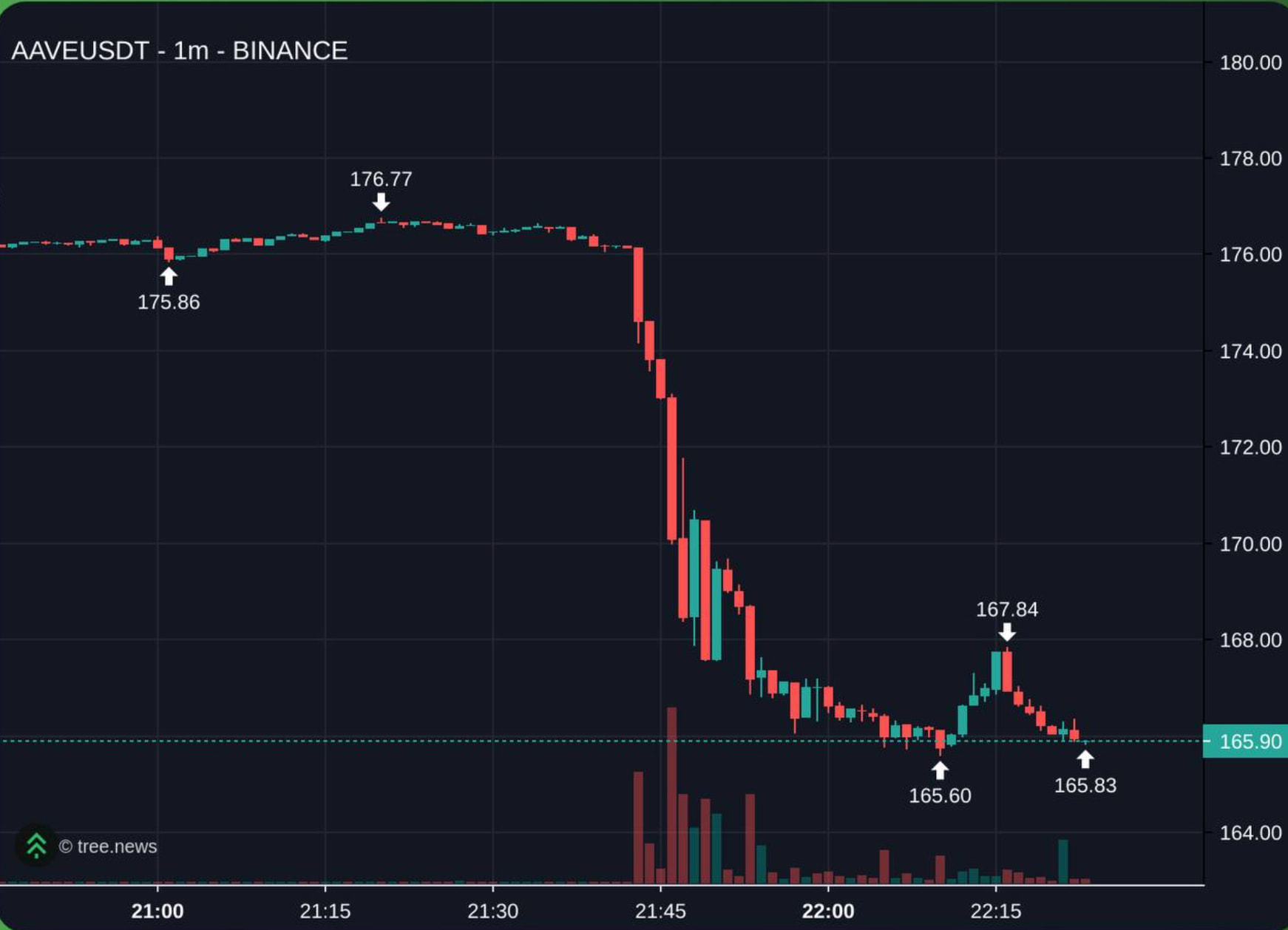
In a strongly worded forum post, Zeller described the move as resembling a “hostile takeover attempt” by Aave Labs and suggested that a more deliberate, two-phase governance process could have prevented the dispute.
“This did not have to escalate this way,” he wrote, calling the situation avoidable and damaging.
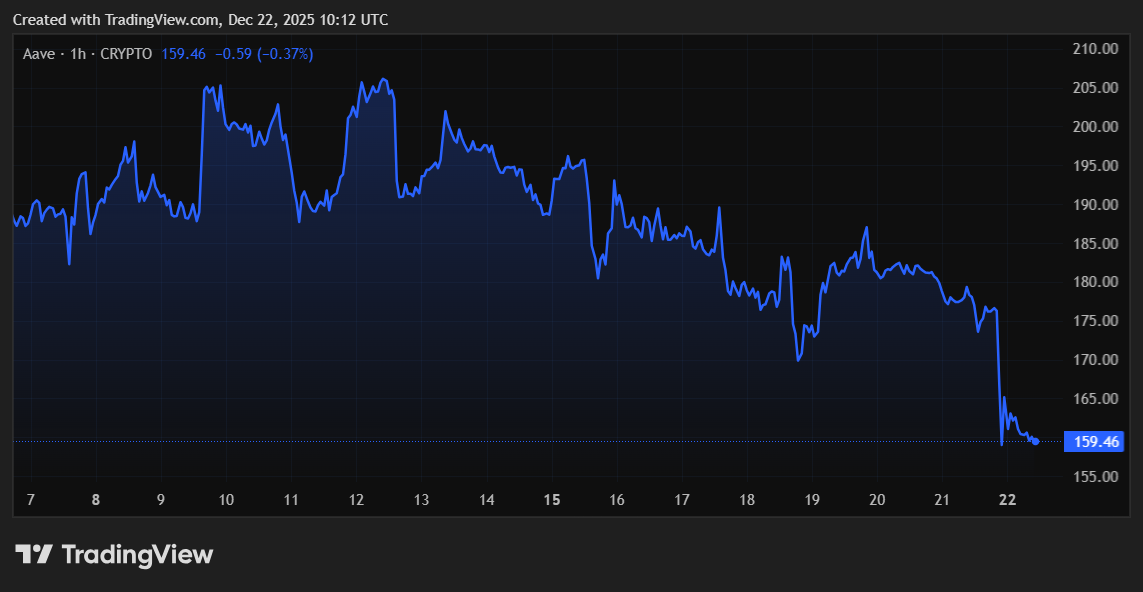
The market reaction was swift. The AAVE token fell more than 10% over a 24-hour period following the flare-up, reflecting investor unease as governance tensions spilled into public view.
This latest dispute builds on weeks of internal friction within the Aave DAO. Earlier in the month, delegates raised questions about whether revenue from Aave’s CoW Swap integration had bypassed the DAO treasury, sparking accusations of “stealth privatization.” That confrontation led to an unusually confrontational proposal suggesting the DAO consider absorbing Aave Labs entirely if alignment could not be restored.
Against this backdrop, Kulechov recently shared a long-term vision positioning Aave as a potential trillion-dollar ecosystem, coinciding with news that the U.S. Securities and Exchange Commission had closed a four-year investigation into the project. At the time, an Aave Labs spokesperson characterized the debates as signs of a maturing ecosystem grappling with questions of structure, representation, and expectations as it scales.
Whether the brand ownership vote brings resolution or deepens existing fault lines remains to be seen. What is clear is that the outcome will shape not only who controls Aave’s identity, but also how governance power is exercised in one of decentralized finance’s most influential protocols.



